
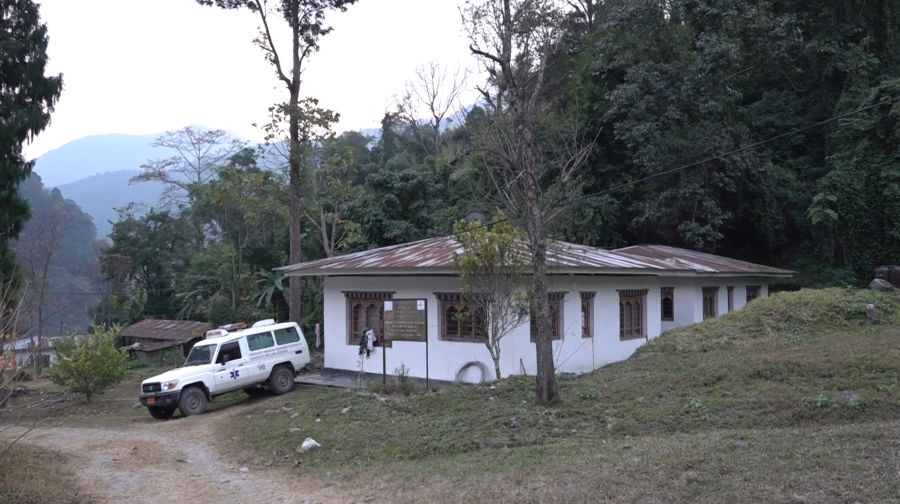
 Distance, cost, space constraints, and staff shortages are making access to basic healthcare increasingly difficult for residents of Gakiling Gewog in Haa. With a single health worker and limited capacity at the only health sub-post, many patients choose to travel for hours to other areas in search of better medical services, often at significant personal expense.
The Gakiling Health Sub-Post caters to the entire dungkhag, including Rangtsi, Tanga, and Kowkha villages, and also serves nearby communities because it is closer.
Despite this, it has been run by a single health worker since its establishment in 2017.
Severe space limitations mean outpatient care, emergency treatment, maternal and child health services, and administrative work are all carried out in one room, with only one patient bed and one delivery bed.
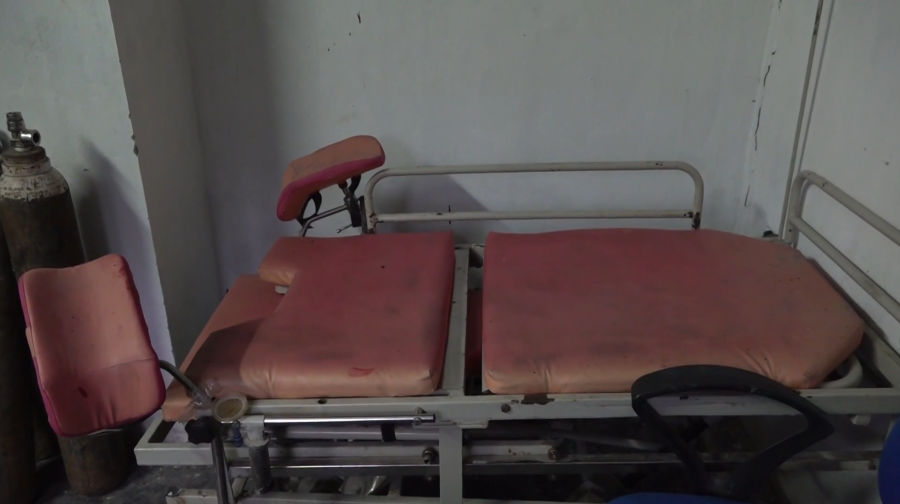 The sub-post sees five to ten patients a day, with numbers only increasing during summer, mainly for hypertension, diabetes, and seasonal illnesses.
“Many students live here, and during the summer, the number of illnesses increases. However, summer also brings landslides and floods, which block roads and cut off access to and from the gewog. I hope the government will help us address this issue,” said Eden, a resident of Gakiling Gewog.
The sub-post is staffed by only one male health worker, which makes many women uncomfortable seeking services such as Pap smear tests, pregnancy care, and other women’s health checkups. As a result, they travel over 80 kilometres to Haa or even farther to Thimphu and Paro. However, transport remains a major barrier, with a trip to Haa costing about Nu 4,000 one way, an expense many families cannot afford, while winter snow and monsoon landslides often make travel risky or impossible.
“When women experience miscarriages, pregnancy-related complications, or other women’s health issues, they often do not feel comfortable seeking care here. As a result, they choose to travel elsewhere, but vehicles are not easily available. Many women also do not have money readily available and cannot pay up front. While a few drivers still agree to take us, most refuse. This can cause health conditions to worsen and, in some cases, even lead to death,” said Rinchen Pema, another resident of Gakiling Gewog.
“Most people want to seek better healthcare facilities elsewhere, but only those who own cars or can afford to hire one are able to do so. Those who cannot afford transportation are left with no options,” added Mindu, another resident of the gewog.
Local leaders said that the issue has been formally raised with authorities, and there are plans to upgrade the facility into a 10-bed hospital. They said the upgrade would address staff shortages, space limitations, and service gaps, while reducing delays and high out-of-pocket expenses for patients.
“Although there are plans in place, the work has not yet begun, and people here continue to face serious challenges. If these plans are implemented as soon as possible, they will not only improve access to better healthcare services but also reduce the high expenses people currently have to bear,” said Gakiling Gup Wang Tshering.
Until the proposed upgrade materialises, residents of Gakiling and surrounding villages remain dependent on a single, overstretched sub-post, often forced to choose between unaffordable travel and delayed medical care.
Karma Samten Wangda, Haa