
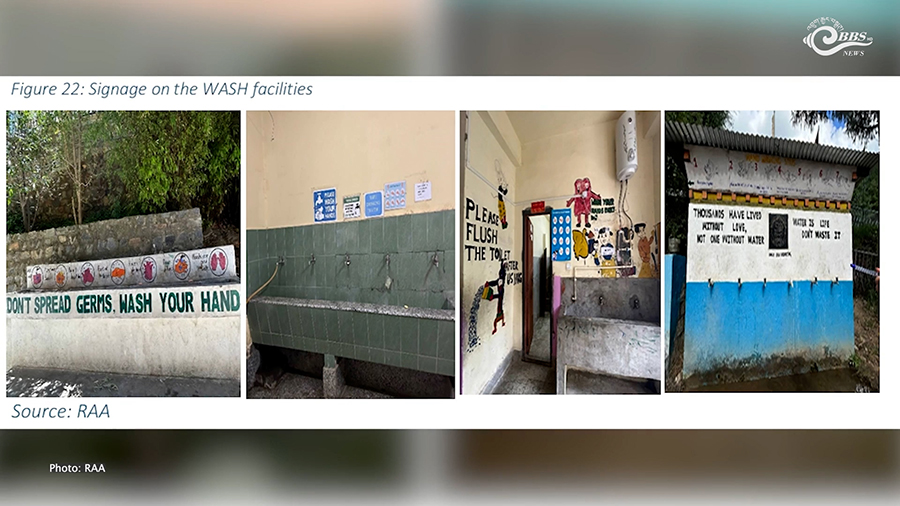
 While schools are meant to nurture the nation’s future, hundreds of children are still studying in classrooms without access to proper toilets. Despite the Education and Skills Development Ministry’s effort, over 560 schools still remain affected. To address these gaps, the Joint Sitting of Parliament today reviewed the Royal Audit Authority’s recommendations on improving Water, Sanitation, and Hygiene or WASH facilities.
Water, Sanitation, and Hygiene or WASH, are essential for preventing disease and promoting overall well-being.
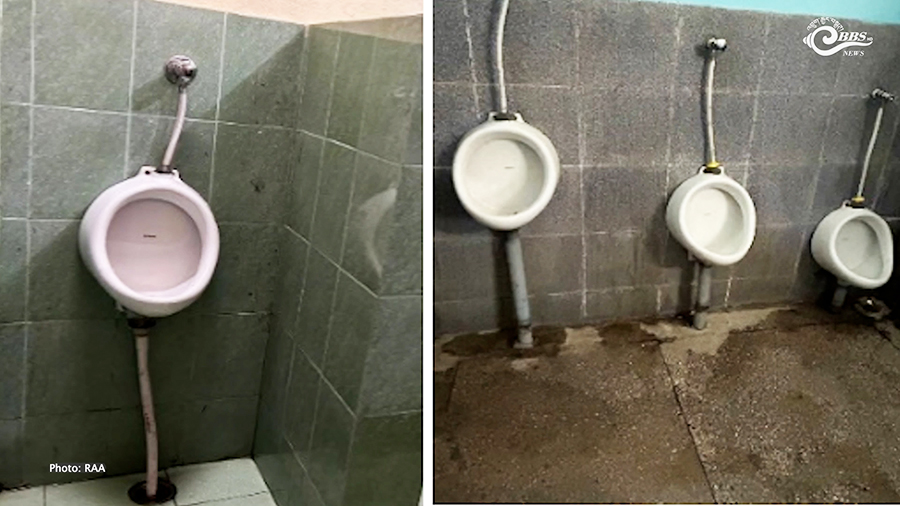 RAA’s performance audit found that schools in Thimphu Thromde need to strengthen WASH facilities. The authority recommended upgrading facilities, ensuring adequate staffing, raising awareness, and strengthening monitoring, while urging Thimphu Thromde to ensure a continuous and safe water supply and schools to implement comprehensive WASH management plans.
Following this, the Public Accounts Committee surveyed schools across the country. The committee found that many schools continue to face challenges such as limited access to toilets, unreliable water supply, and concerns over water quality and hygiene supplies.

Sonam Tashi, the chairperson of the Public Accounts Committee said, “Of the 297 schools that the Committee has surveyed, 257 schools, which is 86.5 per cent, reported inadequate budget for WASH facilities and services, indicating that many students lack access even to essentials such as soap. The remaining 40 schools, which are 13.5 per cent, reported managing their WASH programmes through fundraising activities such as sports events or movie screenings; an approach that is neither reliable nor sustainable.”
According to the committee, WASH infrastructure in schools has never undergone a comprehensive renovation, with some dating back to 1978. Many infrastructures fail to meet the national standards.
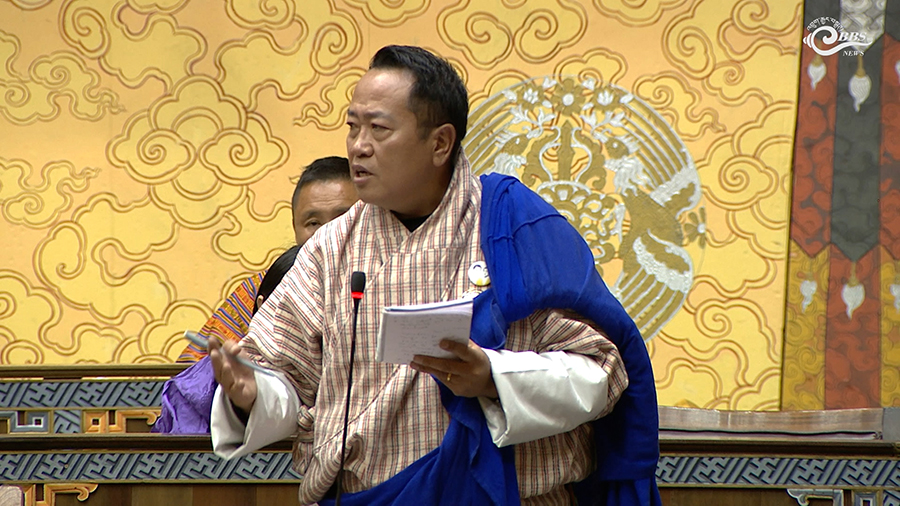
“It is not true that management is the main challenge. Rather, the challenges include sanitation facilities that do not meet government-approved standards, poor quality of existing infrastructure, inaccessible facilities for students with disabilities, shortage of water, and cases where water is available but not drinkable,” said Loday Tsheten, a member of the Committee.
During the deliberations, poor maintenance and operation of school toilets emerged as one of the biggest challenges.

Finance Minister Lekey Dorji said, “Malcolm Gladwell, in The Tipping Point, noted that when a broken window in New York went unrepaired, more windows tended to get broken in the following days. In schools, if a broken glass is repaired immediately, it prevents further damage, and the cost remains low. The same applies to broken taps or lights; they should be fixed promptly, or else it becomes much harder to recover.”

“WASH facilities and services are often established as part of time-bound projects. However, once these projects conclude, no budget is allocated for their continuation after two or three years. The responsibility then falls on individual schools to maintain them, which is not always feasible,” said Tshewang Rinzin, South-Thimphu MP, NA.
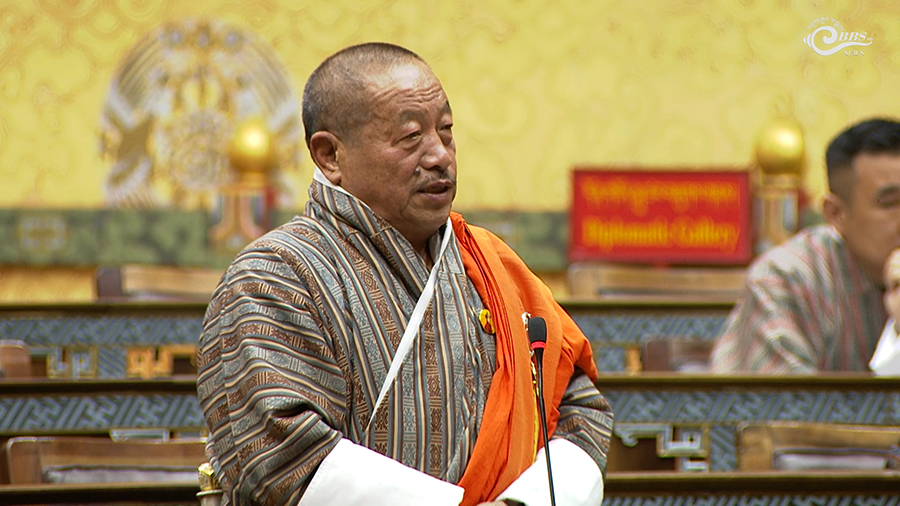
Minister for Energy and Natural Resources Gem Tshering said, “Wherever toilets are constructed, proper management is crucial. One key challenge is the lack of wet sweepers in the country, making it very difficult to maintain hygiene effectively.”
The government has allocated around Nu 300 M under the 13th Five-Year Plan to improve WASH facilities in schools.
The finance minister said, “Some recommendations can be implemented immediately, while others are achievable in the medium or long term. With sustainability in mind, these recommendations are well-considered, and the government fully supports them.”
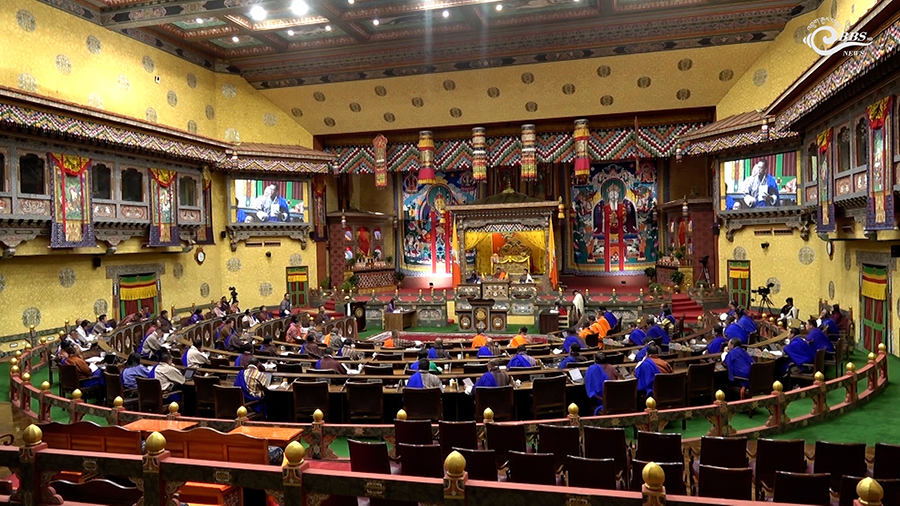 The House will continue deliberations on the issue tomorrow.
Kinzang Lhadon/ Sangay Chozom
Edited by Sangay Chezom