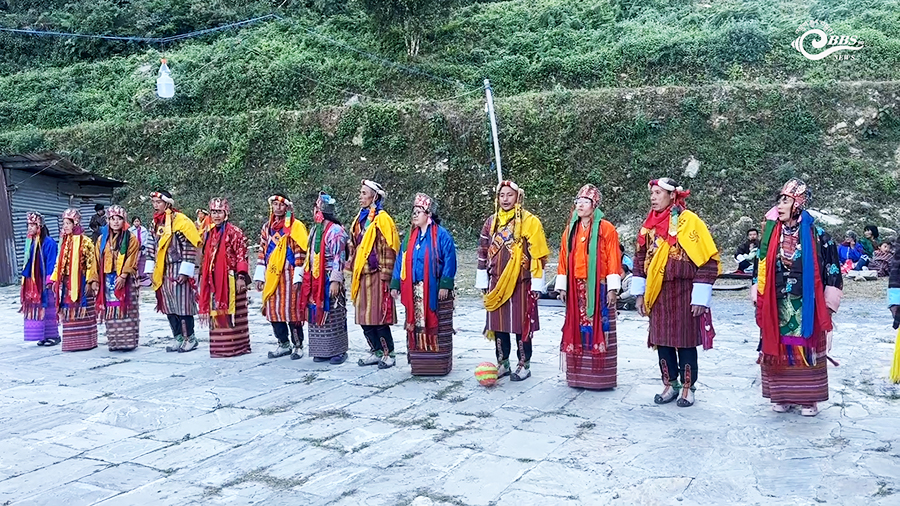
 People of Gongdu Gewog’s Dagsa Chiwog in Monggar are struggling to sustain their biennial local festival called Kharphu, due to a growing shortage of manpower. Empty households, an ageing population, and waning youth interest have made organising the festival increasingly difficult. This year, the gewog administration issued an official notice seeking community cooperation, helping the festival proceed smoothly.
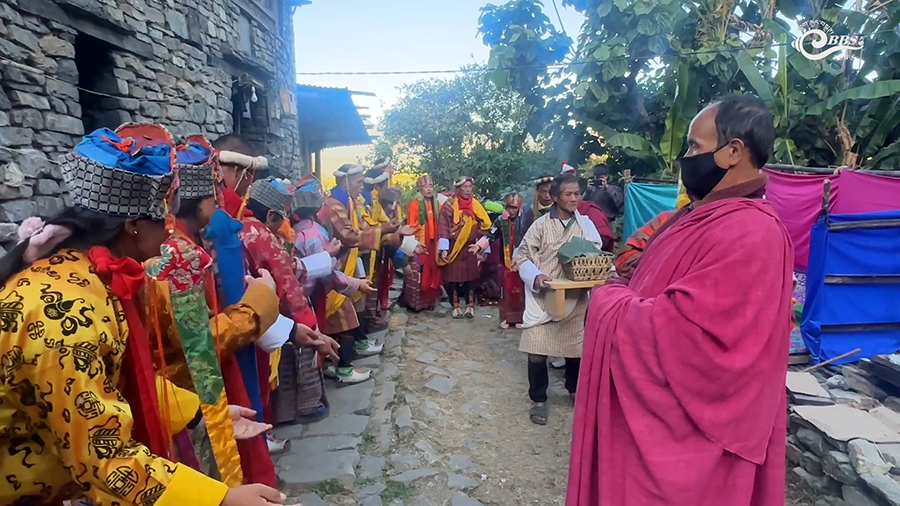 Kharphu, celebrated in several communities of Monggar, is a three-day ritual held to appease local deities for the well-being of people, livestock, and crops. In Dagsa, men and women believed to be descendants of the local deity, dressed in vibrant traditional attire, marched from the host’s house to the temple. They chant sacred prayers and carry offerings of milk, butter, and cheese.
Rooted in oral tradition, the festival now faces the risk of fading away. Sixty-eight-year-old master chanter Tashi Tenzin says the lack of apprentices threatens its survival, as younger generations show little interest in learning the rituals.
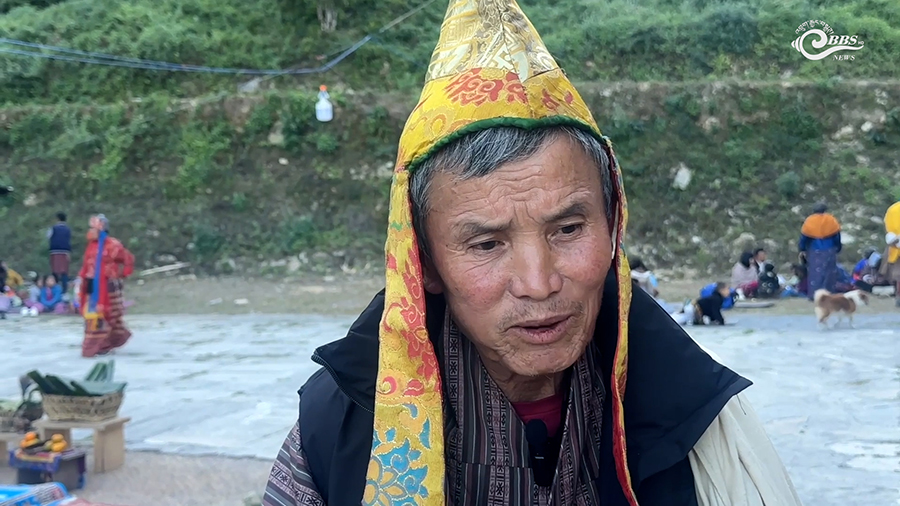
Tashi Tenzin, a resident of Dagsa said, “When we learned this culture from our elders, we simply followed what they did. We never asked about the meaning of Kharphu, and they never explained its significance. Now they are gone, and we have taken on their roles with only limited knowledge. I fear our ancestors’ tradition may fade away. I am already 68, and no one has come forward to learn what little I know.”
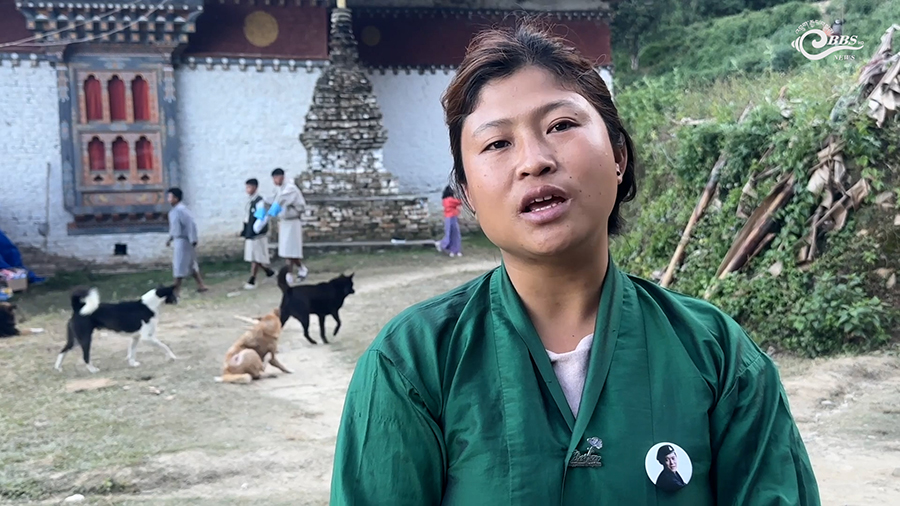
Dagsa Tshogpa Pema Dema said, “We need eight men to perform the rituals, while women are easily mobilised from the village. The men must train for three days before the festival, but there is no wage during that time, which may be why many don’t participate. Many young men say they don’t know the rituals and prefer the elders to continue performing them.”
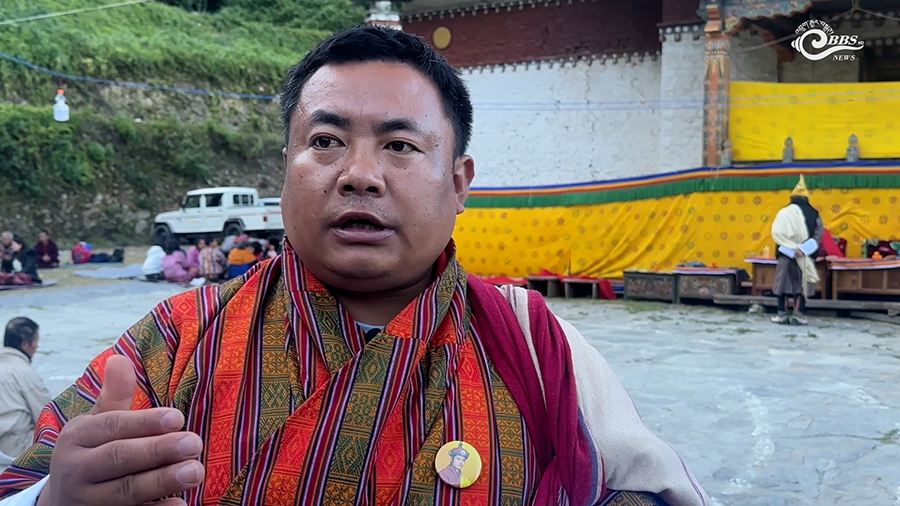
Gongdu Gup Tshewang Tobgyal said, “Long ago, Kharphu was held every month. Due to changing circumstances, it became an annual event, and later a biennial one as challenges grew. The main issues are empty households causing manpower shortages and a lack of interest among youth in traditional cultural activities.”
Meanwhile, the gewog office is exploring ways to work more closely with the community to promote and preserve the age-old tradition.
Gongdu Gup said, “For now, although the gewog office is not directly involved in organising such events, chiwog tshogpas actively take part. We are telling the people that the chiwogs, with support from the gewog office, must take responsibility for organising such traditions. It is high time now.”
Despite the challenges, villagers say abandoning the festival is not an option.
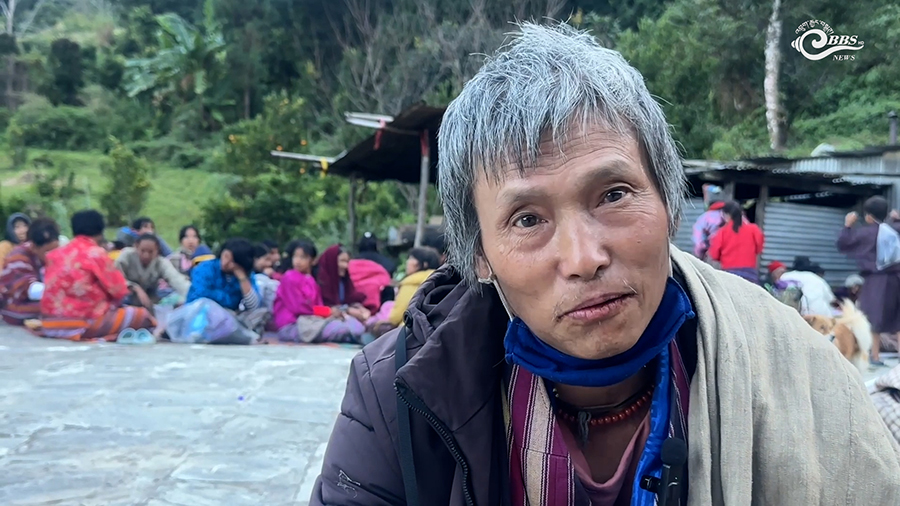
“We cannot leave it because it is one of the cultures our ancestors practised, and it is believed there will be consequences if we stop celebrating it. We will do whatever we can to continue organising Kharphu. Earlier, our community struggled and depended mainly on maize. Now, with road connectivity and improved economic conditions, we are doing much better. Still, the main challenge today is manpower and the lack of interest from the youth,” said Gyembo, the host of the Kharphu festival.
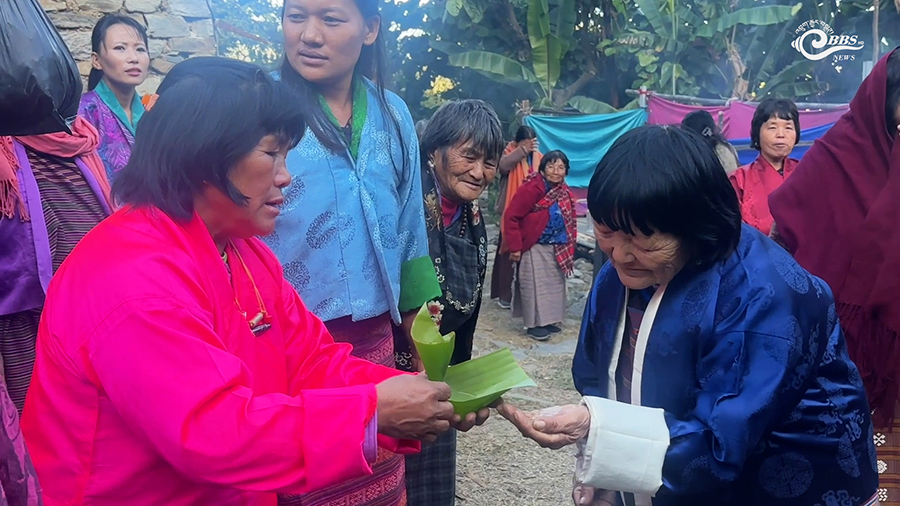 For now, Kharphu survives on the dedication of a few remaining elders and the belief that abandoning it would invite misfortune. But belief alone may not be enough. Unless younger hands step in, one of Monggar’s oldest traditions could soon be reduced to memory.
Namgay Wangchuk, Monggar
Edited by Kipchu