
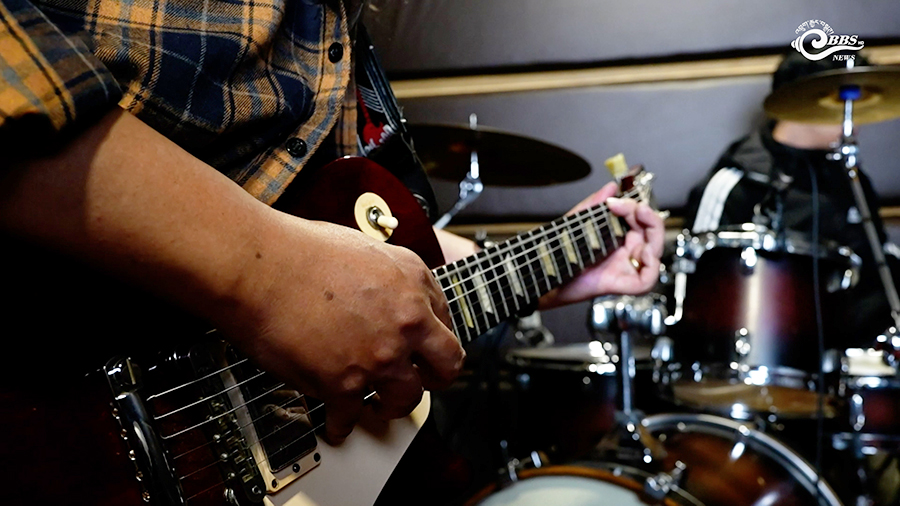
 Bhutan is about to experience something completely new, its first full-scale rock music festival. But this moment did not happen overnight. It took years of quiet dedication by musicians who kept the rock genre alive, even when hardly anyone was listening. This rock festival is not just about loud guitars and heavy drums. It is about giving rock music a Bhutanese identity. In this story, we will look at how rock music has grown from amateur bands to today’s professional stage.
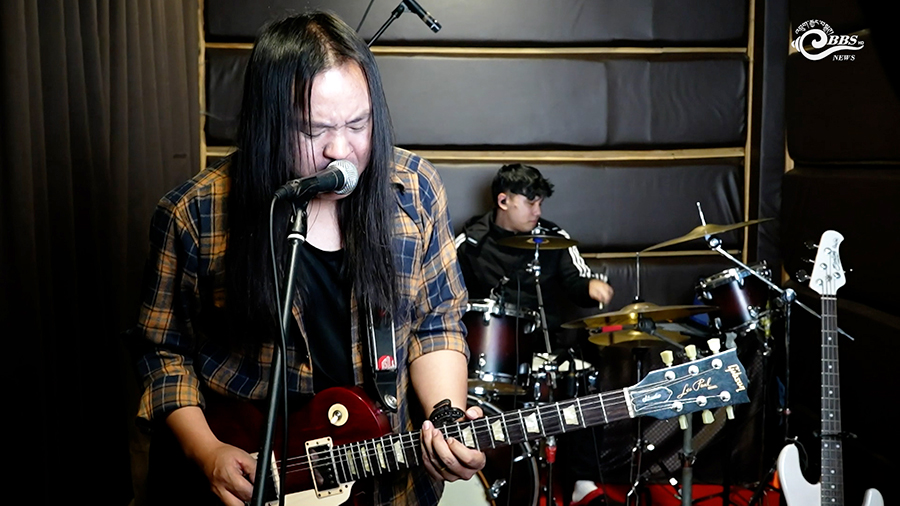
Inside a rehearsal room in Thimphu, North H, a band formed in 2014 is reimagining traditional melodies and Bhutanese lyrics through the energy of rock.
For the musicians, the process is not easy. It means blending familiar tunes with guitars and arranging folk rhythms into something bold and new.
For North H, an opportunity to perform at the Asia Rock Fest-Bhutan is the moment they have waited for.
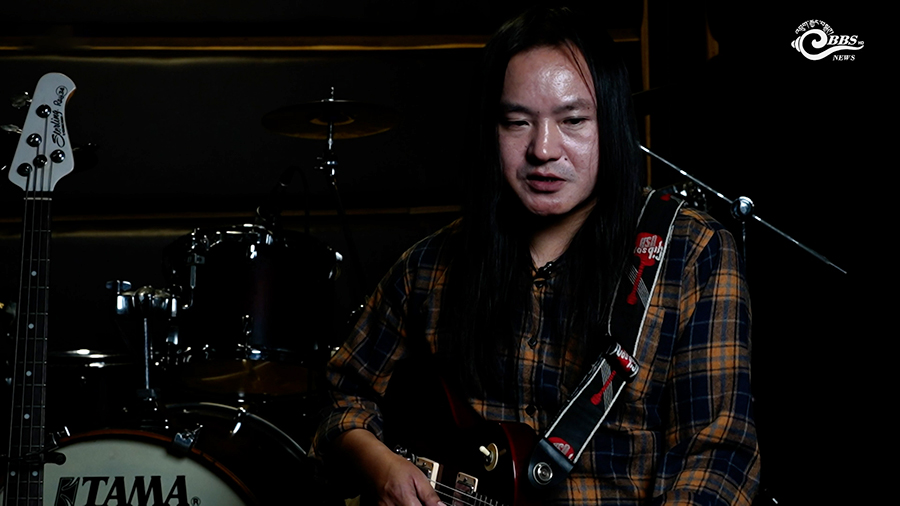
“Rock music is still minimal in Bhutan; people don’t enjoy it much. Many bands compromise their sound to please the crowd or to get gigs, but they cannot fully express their creativity. I always thought the biggest opportunity for Bhutanese rockers would be to have our own festival, where we could perform our own music,” said Ugyen Tenzin, who is the vocalist/bassist with the North H.
Ugyen has been performing for years. He knew Bhutan had talent, but lacked platforms. That changed when the Department of Media, Creative Industry and Intellectual Property began supporting creative ventures.
Today, Ugyen serves as the Concert Director of Asia Rock Fest–Bhutan.
Ugyen Tenzin said, “I could have stayed back with my friends in India, we were really doing well. But then my dream was to come back to Bhutan and form a rock band here.”
To his surprise, the rock music scene was already thriving, with 15 active bands performing across the country today.
Yet earlier generations faced challenges
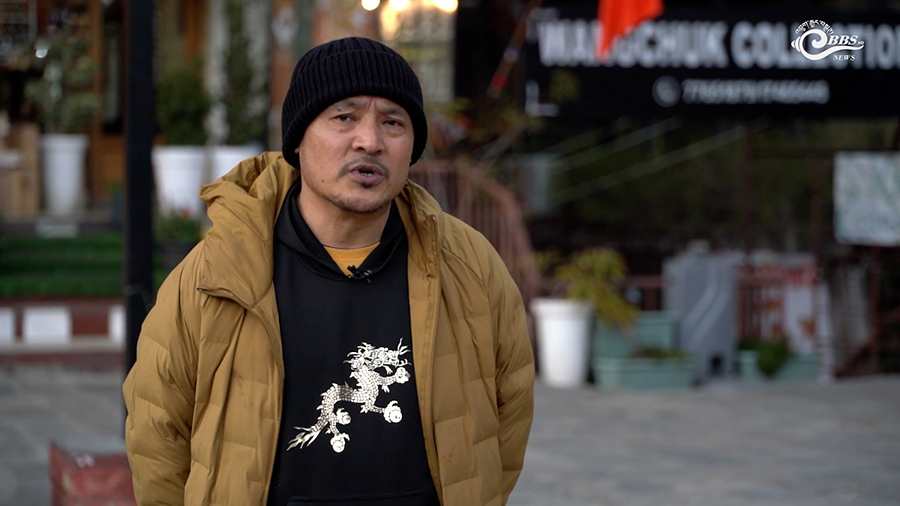
Kunga Tenzin Dorji, the former member of the band, ‘Who’s Your Daddy’ said, I reached out to government decision-makers, but we never received real support. It was very difficult. Eventually, you have to pay the bills, which is why we fell out. It is not like others came in and replaced us in the market, because three of the five original members are still playing today.”
Asia Rock Fest-Bhutan will be a revival, a chance to reclaim a genre that Bhutanese musicians held onto through years of struggle. The audience will hear something entirely new, rock music shaped by Bhutan’s spirit.
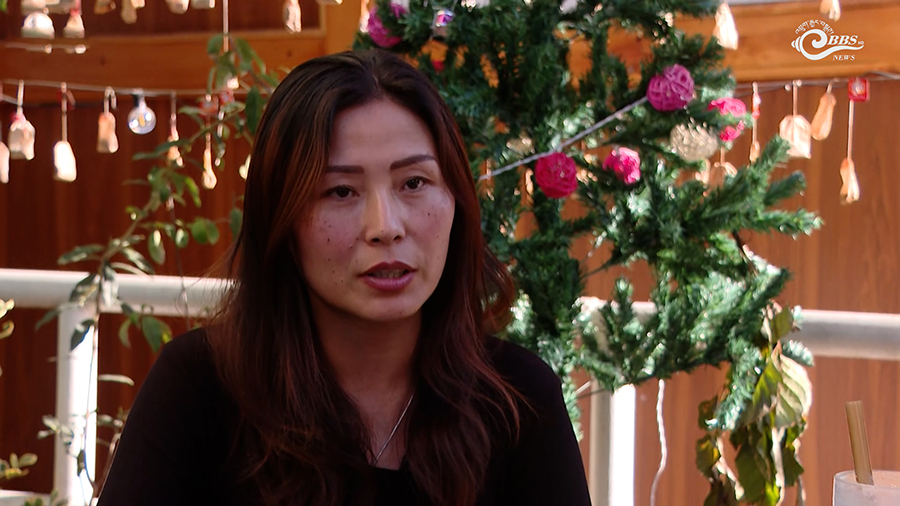
Sangay Lhaden, the vocalist of The Sangay Lhaden Band said, “I am thrilled to participate, to be one of the only female bands from Bhutan. We are bringing a fusion of a Bhutanese folk song into a rock version. That is also something new for us to do. It also shows that our folk songs can be turned into a rock version.”
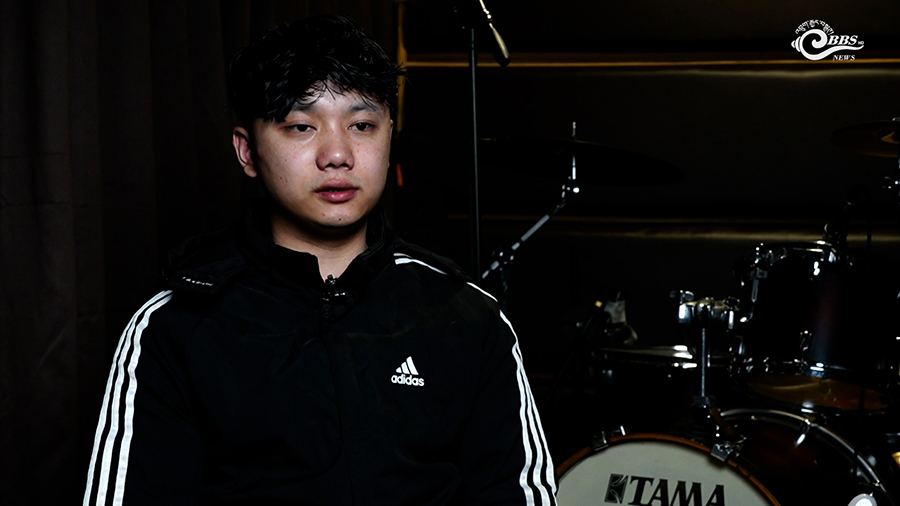
“The festival will promote rock musicians across Bhutan. People who didn’t know rock music will get exposed and understand what it truly means,” said Rabi Kumar Ghalay, a drummer of North H.
Kunga Tenzin Dorji said, “Cross-cultural influences are inevitable, and cultures will mix. So the idea is to be able to evolve and develop it in ways that will be useful. I see this Rock Fest as something of that sort. I am so glad that even a government agency like DOMCIIP has come forward to support it.”
Alongside eight local bands, performers from India, Thailand, Japan, and South Korea will also take the stage.

“The first time we came to Bhutan was in 1995. Playing here and visiting the country feels very special to us. Bhutan has a thriving rock scene and a vibrant underground movement. The level of musicians coming up is impressive, and we are really looking forward to playing and jamming with them. I’m so excited to see so many new bands in Bhutan—rock and roll!” said Subir Malik, the founder of Parikrama, India.
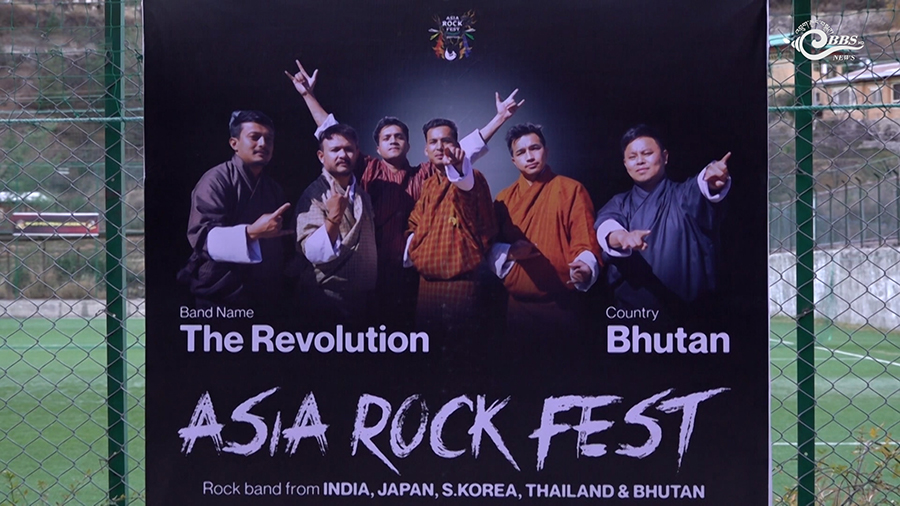 A new chapter for Bhutanese rock begins next week in Paro. It will be a celebration of creativity, culture, and a sound that is uniquely Bhutanese.
Devika Pradhan
Edited by Sangay Chezom