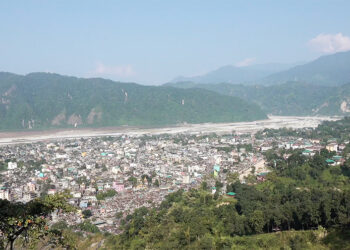
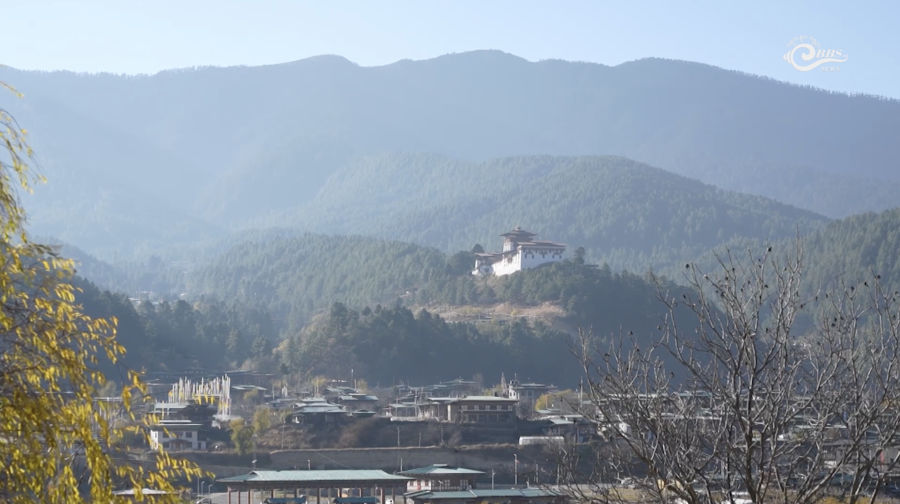
 Bumthang is believed to be the first place visited by Guru Rinpoche and is revered as the birthplace of the Wangchuck Dynasty. Steeped in history and spirituality, the valley stands as a foundation of the nation’s identity and the roots of a unified Bhutan. As the country comes together to reflect, give thanks, and offer prayers for the privilege of being Bhutanese, no place could be more fitting than Bumthang to host the 118th National Day celebration.
Bumthang’s broad valleys, flowing rivers, and pine-clad hills stretch as far as the eye can see. As the National Day celebration gets closer, the land radiates determination and pride, privileged to host one of the country’s grandest annual events.
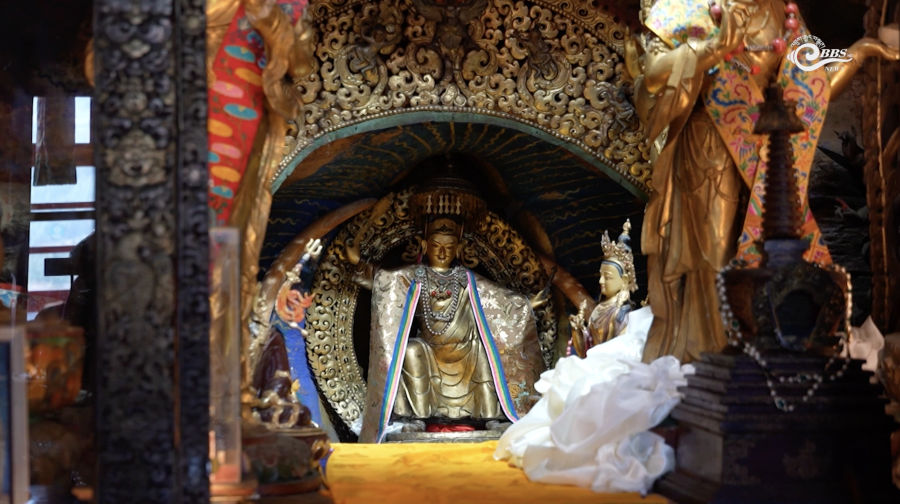 The valley where Guru Rinpoche meditated in the 8th century is believed to be among the earliest regions in Bhutan where Buddhism flourished. It is home to some of the country’s most sacred temples, including Kurjey Lhakhang and Jambay Lhakhang.
Lam Neten Kinley Penjor said, “Guru Rinpoche visited Bumthang in the 8th century at the invitation of Sindhu Raja. During his stay, he spread Buddhism for the first time in the country. Since then, many great lamas have visited Bumthang, including Chöje Kunga Lekpa, Künkhyen Longchen Rabjam, and Tertön Sherab Mebar. Tertön Pema Lingpa was also born here. Because of this rich legacy, Bumthang is a deeply spiritual place.”
Beyond its spiritual heritage, Bumthang is closely intertwined with the legacy of the country’s monarchy. The district has served not only as a birthplace but also as a residence and administrative base for the First and Second Druk Gyalpo, once acting as a seat of national authority.
Bumthang Dzongrab Passang Dorji said, “This palace is the birthplace of our First Druk Gyalpo. For these reasons, the place holds immense historical, cultural, and spiritual significance.”
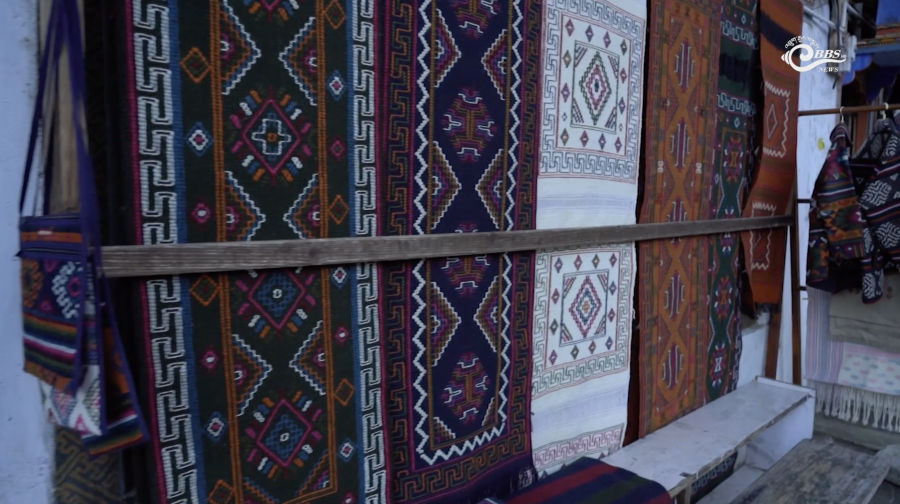 The district also maintains a vibrant cultural identity. Its language, festivals, and traditional weaving continue to thrive, reflecting the enduring spirit of the local communities.
The celebration this year is expected to create opportunities for local development.
“With many people visiting Bumthang from other districts and the capital, this has created a good opportunity for local businesses, especially hotels. This period is usually the off-season,” said Jampal, the chairperson of Dzongkhag Tshogdu.
The dzongrab said, “This year, as Bumthang hosts the National Day celebrations, we were able to carry out several developmental works. Roads and other infrastructure have been improved, which will, in turn, contribute to long-term community development.”
Celebrating the National Day in Bumthang allows the nation to honour not only its historical and spiritual roots but also the cultural pride and resilience of the Bhutanese people.
Namgay Wangdi
Edited by Sangay Chezom