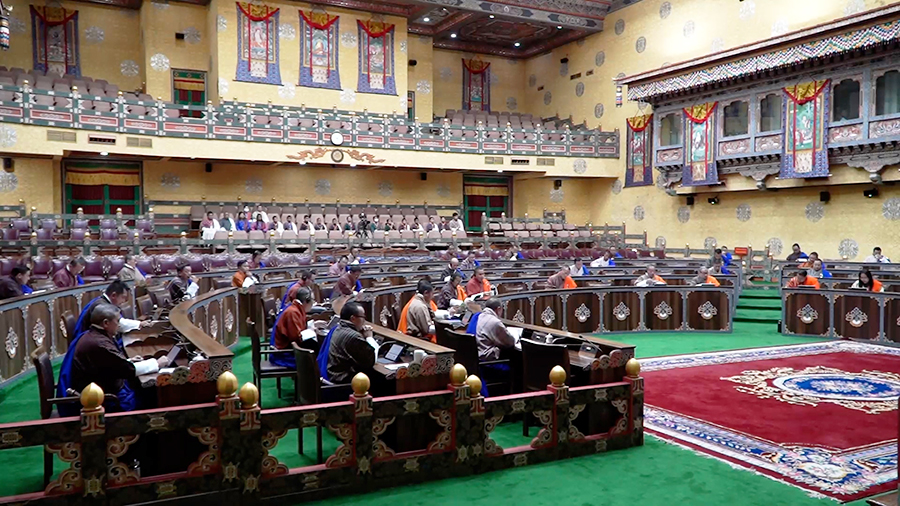
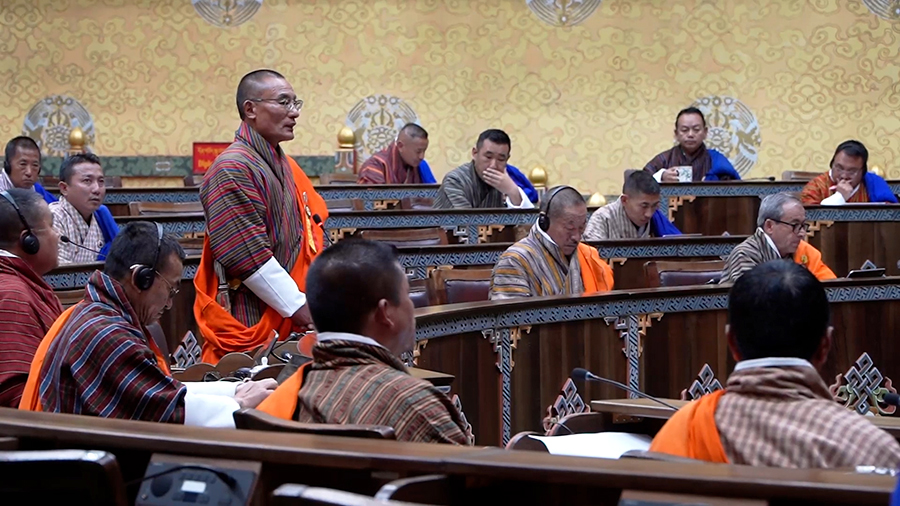
 Concerns over unequal access to facilities and resources in schools across the country took centre stage in the National Assembly today. Members debated disparities between central and non-central schools, urging the government to ensure a more equitable education system. The members proposed allocating equal facilities, expanding the school feeding programme, reviewing the curriculum and providing equal training opportunities to teachers, among others.
The South Thimphu MP raised the issue, stating that there are gaps in infrastructure, teaching materials, and budget allocation between central and non-central schools. He said that these affect the quality of education in many schools across the country.

“In central schools, students benefit from boarding facilities, nutritious meals, better libraries, and stronger counselling services. While this is positive, the lack of similar facilities in non-central schools affects the overall quality of education,” said Tshewang Rinzin, MP, South Thimphu.
He added that while central schools are comparatively well-equipped, many non-central schools struggle with limited resources, including the lack of laptops for teachers, the absence of interactive boards in classrooms and insufficient computers.
Similarly, several other members also raised similar concerns, saying that the uneven distribution of resources remains a longstanding challenge.
Responding to the concerns, the education minister clarified that budget allocations are based on student numbers rather than whether a school is categorised as central or non-central.

“In some non-central schools, the student population is very small. As a result, these schools require fewer facilities and resources. This sometimes creates the impression that we have not allocated enough budget for non-central schools,” said Yeezang De Thapa, Education and Skills Development Minister.
The education minister acknowledged that meeting all needs at once is difficult due to annual budget cycles. On the issue of laptops for teachers, she said the ministry is exploring a cost-sharing model to ensure teaching materials are accessible.
 The Prime Minister also added that central schools were established mainly in rural areas to benefit children living in remote communities. He assured the House that the government will recognise the need to provide equal facilities to non-central schools.
Meanwhile, the Opposition Leader, along with other MPs, stressed the need for the government to review its school feeding programme.
They recommended that meals be provided to all schools, or at least prioritise those where students walk long distances to attend classes.

“Many schools do not provide breakfast, let alone lunch. It would greatly benefit students if they could receive at least a mid-day meal. Parents shared that they currently spend around Nu 3,500 a month per child,” said Pema Chewang, Opposition Leader.
Addressing the call for meals in all schools, the education minister said the ministry is aligning the programme with international standards and plans to extend school meals to more schools.

“We have a meal plan that aligns with international standards, which clearly outlines the quantities of food students should receive. When compared with these standards, we found that the current portions are slightly more than required. Therefore, we plan to reallocate part of the school feeding programme budget to include other schools as well,” said Yeezang De Thapa, Education and Skills Development Minister.
The minister added that if possible, the government aims to expand the feeding programme from the next academic year.
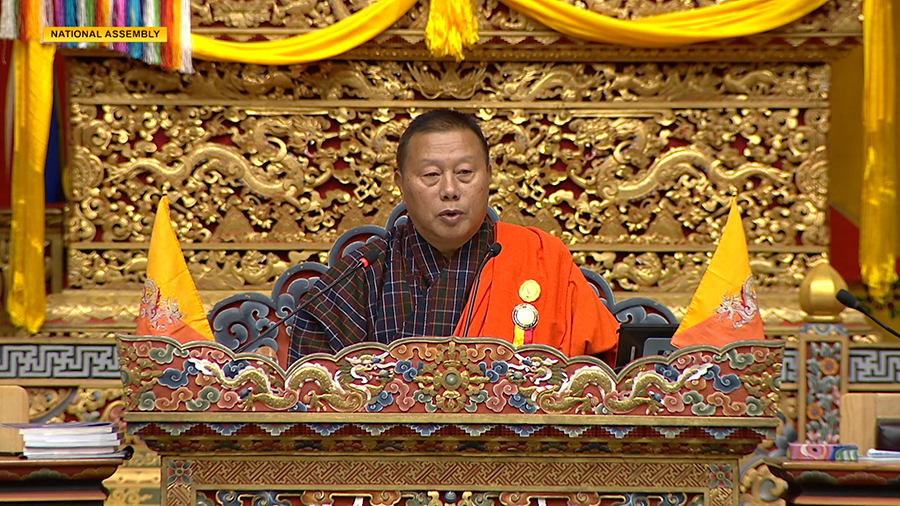 Concluding the debate, the Speaker directed the education ministry to prioritise the resolutions proposed by the members.
Sangay Chozom
Edited by Sonam Pem