 Cancer cases in Bhutan have nearly doubled over the past decade. However, cancer care remains largely centralised in Thimphu. This makes it difficult for patients in rural and remote areas to access timely treatment. Health officials say shortages of specialists, long travel distances, and limited diagnostic services outside the capital continue to delay care.
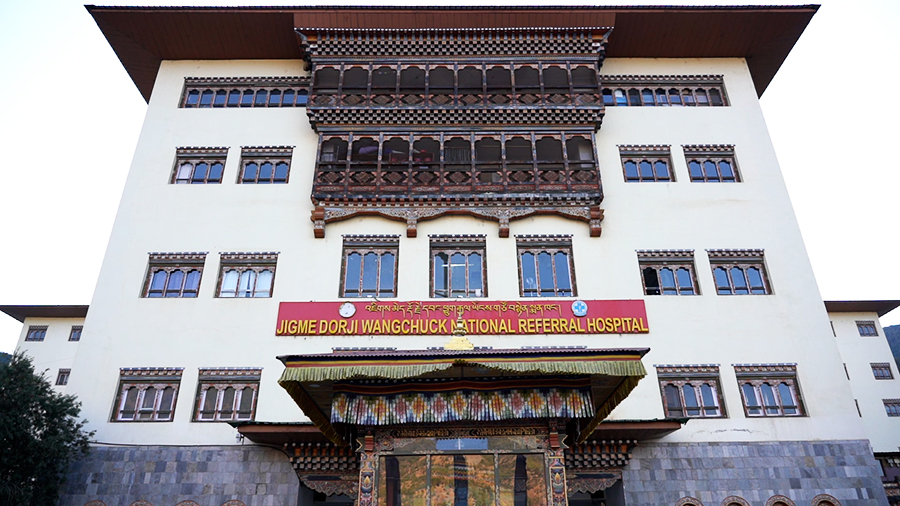
Despite the rising burden, most cancer services remain at the national referral hospital. These include advanced diagnostics, surgery, chemotherapy, radiotherapy referrals, and specialised palliative care.
Regional hospitals lack oncology wards, advanced imaging, and chemotherapy facilities. Patients from distant districts must travel long distances for treatment. This often delays diagnosis and timely care.
“When these services are concentrated in the capital, patients in other districts are affected. For example, nearly 69 per cent of cancer diagnoses are made at the national referral hospital because diagnostic facilities are limited or unavailable elsewhere,” said Laigdhen Dzed, the Chief Programme Officer of the NCD Division.
The Health Flagship Programme achieved over 90 per cent screening coverage for cervical, gastric, and breast cancers.
Another major challenge is the lack of specialised manpower. The country continues to face shortages of oncologists, oncology-trained nurses, pathologists, and palliative care specialists. These shortages limit the system’s ability to manage complex cases and long-term follow-up.
Sonam Wangchuk, the programme officer of the NCD Division said, “One of the most serious challenges we face is the shortage of oncologists. There are many types of cancer, and each requires specialised care. For instance, we currently have only one gynaecologic oncologist, and we do not have enough medical oncologists overall.”
The absence of radiotherapy services in Bhutan adds to the problem. Many patients must travel abroad for treatment. This increases delays and puts financial pressure on the health system.
To improve access and reduce waiting times, the Health Ministry plans to establish oncology units at regional referral hospitals and create district oncology hubs. Officials say these reforms will make cancer care more equitable, accessible, and sustainable.
“Radiation therapy is a critical component of cancer treatment. However, because this service is not available in Bhutan, most patients must be referred abroad. Once the specialised cancer centre is established, we will be able to provide radiation therapy within the country,” added Sonam Wangchuk.
Despite the challenges, the state fully covers all diagnostic and treatment services. This includes overseas referrals, airfare, and hospitalisation.
Namgay Dema