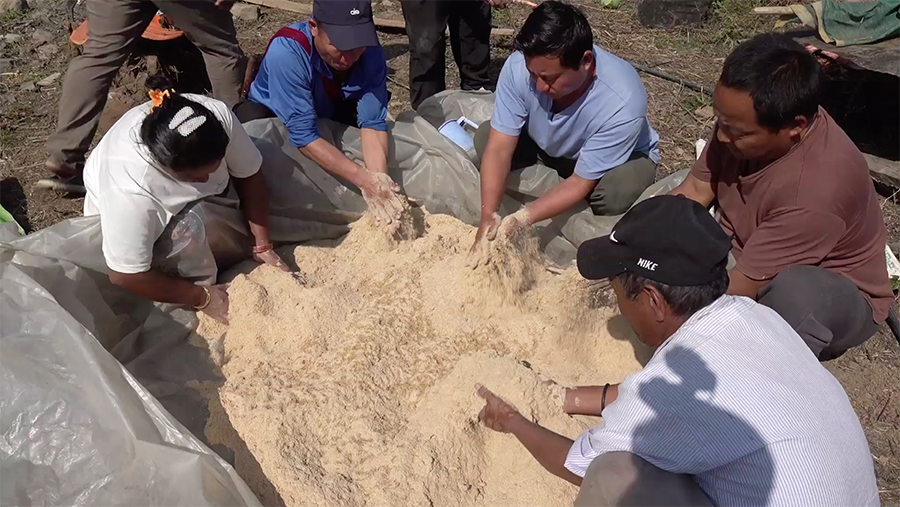
 To promote sustainable agriculture practices and reduce chemical fertiliser use, farmers in Samdrup Jongkhar’s Phuentshogthang Gewog were taught how to produce organic manure and fertiliser. The Sangshingzor Vegetable Group, in collaboration with the Eastern Agricultural and Marketing Cooperative based in Trashigang, organised a one-day training yesterday. The initiative aimed to improve soil health, lower farming costs, and encourage environmentally friendly farming practices.
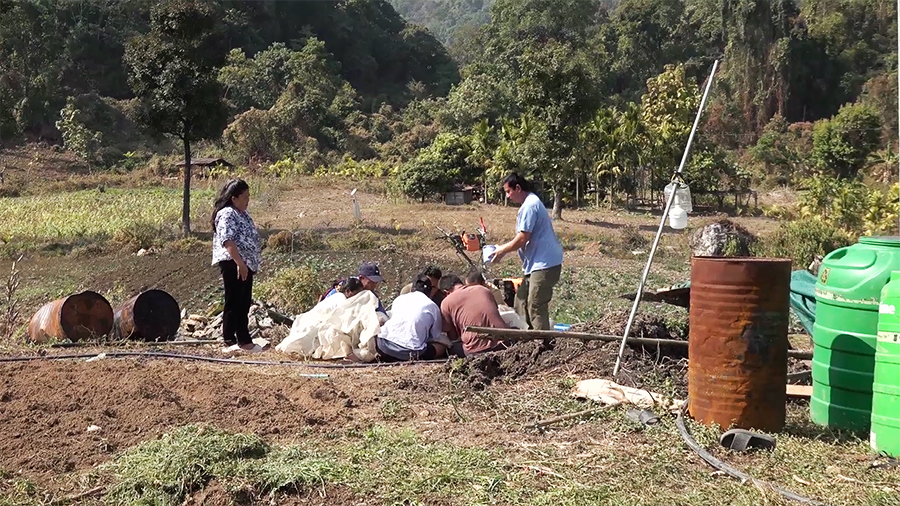 Seven farmers were trained on how to use locally available resources to produce organic manure and fertiliser.
Participants learned how to make Bokashi, a Japanese technique to make organic manure.
A certain amount of salt, sugar, fruits, yeast and yoghurt is added to water and stirred thoroughly. The solution is then mixed with rice bran, the thin, edible, outer shell of rice grains that are removed during milling. The mixture has to be kept for one month to let it ferment before using it as manure, which improves soil fertility and helps control pests.
Farmers were also taught how to make other types of organic fertilisers and manure using cow dung, urine and other farm waste.
“We don’t have to spend money now because we can make manure here itself. It will help protect our crops from pests. Organic manure also doesn’t have harmful effects,” said Nar Bahadur Rai.
“After working hard, the production used to be low, which discouraged us from cultivating vegetables. So, it’s important to know how to make organic fertiliser and manure and to use the right amount,” said Sherab. “We want to grow vegetables as we have a good market with the Gyalsung Academy, the upcoming hydro project, and schools.”
Dan Maya, who also attended the training, said “earlier, without proper manure and fertiliser, the soil would become dry and hard. This training has been helpful because now we know how to make organic manure. We won’t have to buy imported ones now.”
Farmers said many currently use chemical fertilisers some of which are restricted and have both health and environmental impacts. Farmers also use cow dung and urine which they say aren’t very effective.
The farmers were trained by Jamyang Phuntsho, a member of the Eastern Agricultural and Marketing Cooperative.
“We can use the land for agricultural activities for a longer duration because organic manure does not spoil the soil fertility, whereas chemical fertiliser can lose soil fertility. Chemical fertilisers help crops grow faster, but while organic manure takes more time, the production will be the same,” he said.
Farmers in the region grow all kinds of vegetables for self-consumption as well as to sell in the market.
The participants are expected to share their newly learned skills with other farmers in the gewog.
With this new knowledge, farmers can grow vegetables sustainably, reduce cost and protect the land for future generations.
Kinley Wangchuk, Samdrup Jongkhar
Edited by Yeshi Gyaltshen