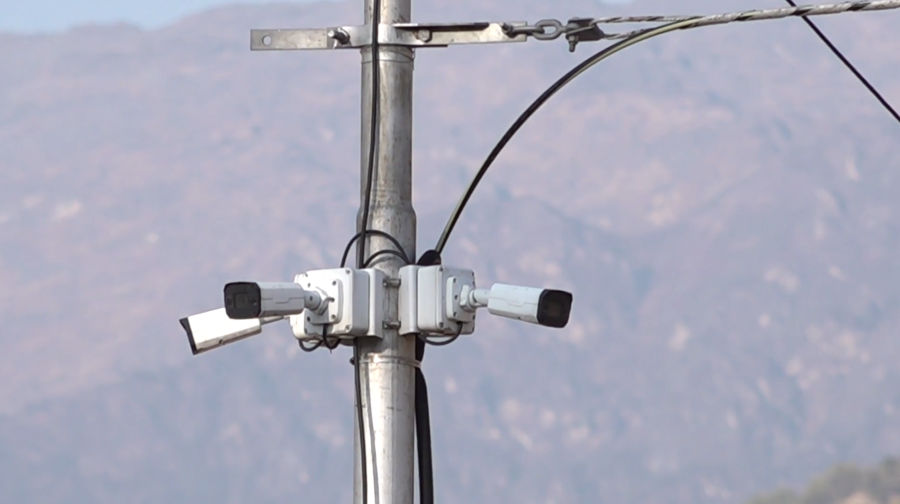
 Paro is now one of Bhutan’s most monitored districts, with more than a hundred CCTV cameras watching over eight of its 10 gewogs. CCTV cameras can now be seen on streets, highways, and even pilgrimage routes. Installed through a joint effort between the Paro District Administration, Paro Thromde, and the police, the cameras are not just meant to deter crime; they are also being used to tackle illegal dumping of waste and open defecation.
A man walks down from the roadside, carrying a sack of waste. He disappears below the road for a moment. And when he comes back up, the sack is gone.
What he didn’t know was that a CCTV camera captured everything. And the footage led to a fine.
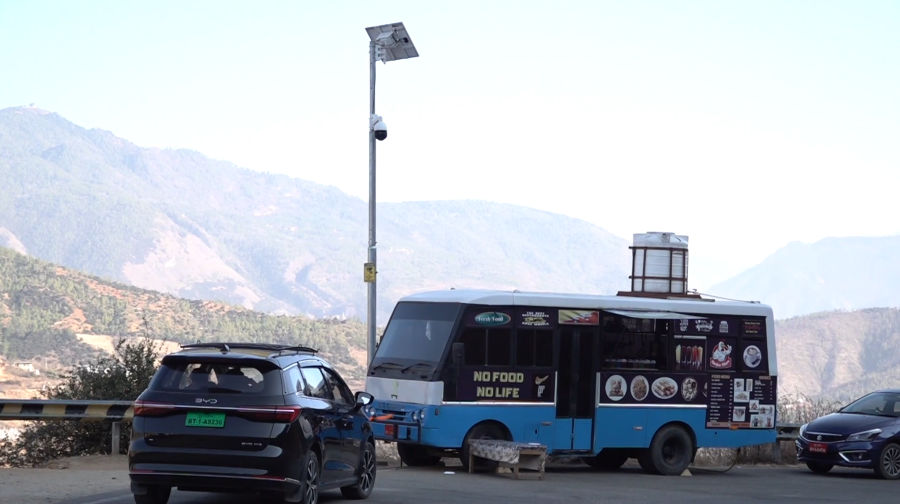 The Paro District Administration, the thromde representative, and the Royal Bhutan Police have collaborated to install additional cameras, extending from Chudzom Bridge to the base of Taktsang Monastery.
The project cost over Nu 6 M, funded by the South Asia Co-operative Environment Programme and the Department of Environment and Climate Change.
“We have installed 26 new cameras and 24 repurposed cameras. And with the existing 54 cameras already installed, Paro now has a total of 104 CCTV cameras installed,” said Tshewang, an assistant environment officer.
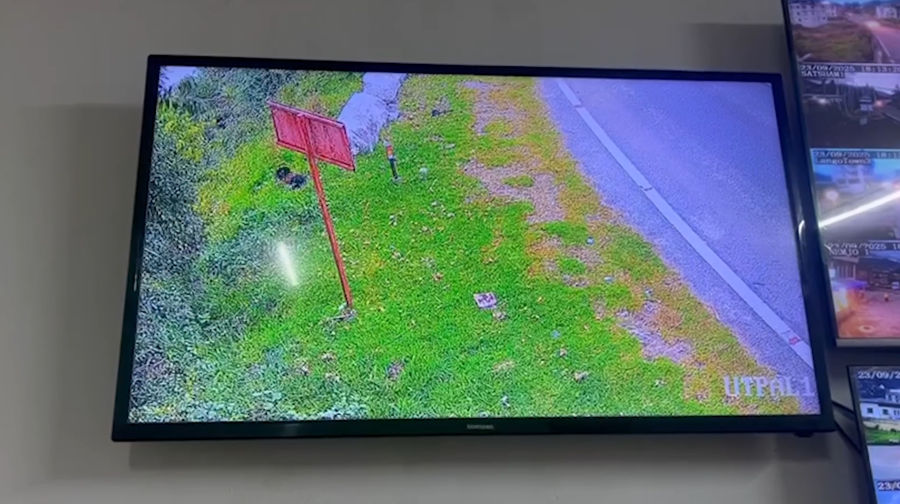 While the cameras are monitored round the clock by police personnel for crime prevention, they are also being used to tackle environmental offences.
This is Jangsa Bridge in Dopshari, once a dumping ground where waste piled up beneath the bridge. Today, it tells a different story. Since the installation of CCTV cameras nearby, the area, though not free from waste, has begun to stay visibly cleaner.
So far, officials have identified eight cases, five for open defecation and three for illegal dumping.
Tshewang said, “In some places, people dump waste illegally. It happens during the day, as well as at night. When we go there, talk to the gewog office and clean the area, people start throwing waste again after a few days. Since we identified all these places and installed the cameras, things have become better.”
Despite the progress, challenges remain. Officials say some offenders hide their faces or dump waste from moving vehicles, making them harder to trace. Officials say quicker access to vehicle data from BCTA would strengthen enforcement, but for now, they rely on CCTV comparisons and community checks to identify suspects.
Under the Waste Prevention and Management Act 2009 and its 2012 Regulations, individuals found defecating in the open are fined 500ngultrum, while illegal dumping carries a fine of 3,000 ngultrum.
Currently, eight of Paro’s ten gewogs are covered by CCTV.
“From the 10 gewogs, we have cameras installed in eight of them. The two gewogs left is because we didn’t have enough budget. However, we are committed to installing cameras in those gewogs as well,” added the assistant environment officer.
The public response so far has been positive. Communities and gewogs have welcomed the move, saying the cameras help protect not just security but cleanliness, dignity, and the environment.
Once funding is secured, Paro plans to extend CCTV coverage to the remaining gewogs, aiming to become one of the first districts in Bhutan to have a CCTV monitoring system spanning all gewogs in the district.
Karma Samten Wangda, Paro
Edited by Kipchu