
 Egg prices in the local market continue to remain at a high. In Thimphu, retail prices still exceed five hundred ngultrum per tray. In an effort to stabilise prices, the Bhutan Livestock Development Corporation Limited (BLDCL) is supplying eggs at subsidised rates. But egg sellers say this initiative has not brought much change.
Although egg production and supply in the country have remained the same, the local market is still struggling to cater to the public.
 According to the Bhutan Livestock Development Corporation Limited, this situation is largely due to a significant portion of the supply being diverted to schools.

Dophu Dukpa, the CEO of BLDCL said, “It is true that there is a shortage in the market. This is due to the ‘One Child, One Egg’ initiative launched by the government in February. Schools require around 30,000 eggs per day. As more eggs are diverted to schools, it has led to a shortage in the market, causing prices to rise.”
According to the Integrated Agriculture and Livestock Census of Bhutan, the country produced 85 million eggs in 2023 and 98 million in 2024.
The “One child, one egg” programme, which started this year and provides each student with an egg at least five times a week, uses up around 6 million eggs in a year.
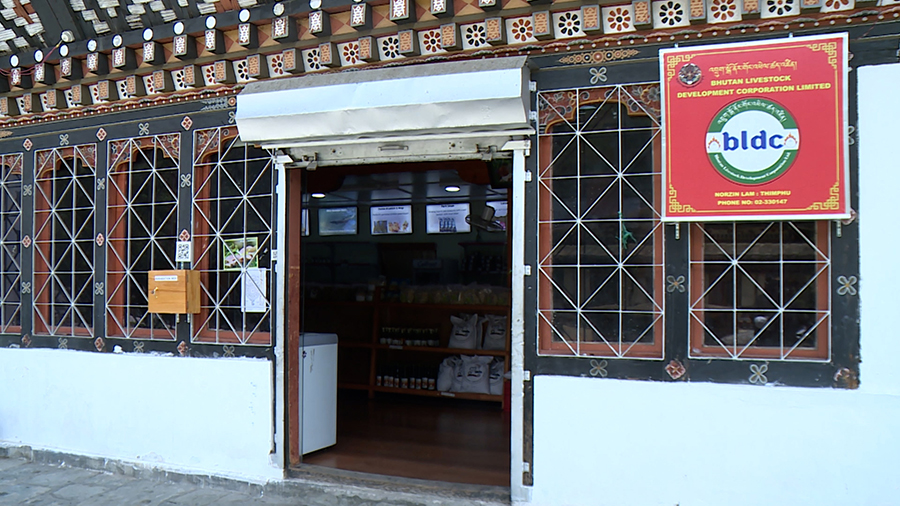 Meanwhile, to help bring down prices, the BLDCL started providing local eggs at Nu 430 per tray since last week.
“We source our eggs from Rilangthang in Sarpang, where we operate a farm producing around 45 to 50 cartons daily. All these eggs are transported directly to Thimphu. We also have another farm in Samrang gewog under Samdrup Jongkhar, which supplies eggs to the eastern region,” said Dophu Dukpa.
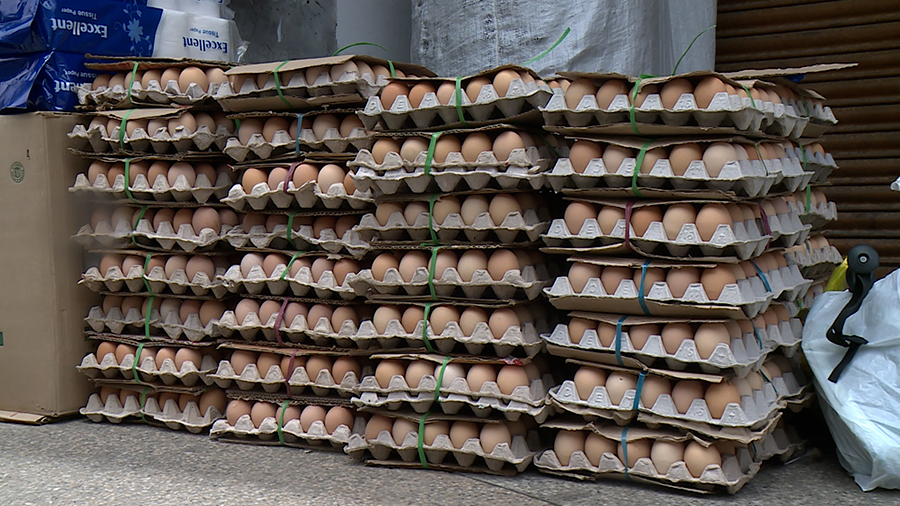 Despite the supply of additional eggs at lower prices, the shortage persists. Shopkeepers claim that the eggs supplied by the BLDCL are insufficient, with stocks running out in less than a day.
“We usually source eggs from Tsirang at around 3,300 to 3,400 per carton and sell them for Nu 520-530 per tray. Although the BLDCL supplies eggs at a lower price, the quantity is not enough. We were also instructed not to sell eggs in bulk and to limit sales to two or three trays per customer. Even then, the supply runs out quickly,” said Pema Wangmo, a shopkeeper.
“The BLDCL has been supplying about ten cartons of eggs per retailer. The usual market price is around 530, but the subsidised supply has helped both shopkeepers and customers, and we are pleased,” said Karma Wangdi, another shopkeeper.
Shopkeepers also shared that private egg suppliers are refusing to reduce prices despite the availability of cheaper eggs in the market.
Pema Wangmo said, “Our private suppliers have refused to lower prices, as doing so would result in losses for them. They continue to sell eggs at their usual rates.”
Karma Wangdi said, “It is also inconvenient for private suppliers to reduce prices immediately, and we cannot pressure them to do so.”
BLDCL stated that price and supply fluctuations may continue due to the demands from the schools.
However, if egg prices continue to remain high, imports will be arranged to stabilise the price.
Deki Lhazom
Edited by Yeshi Gyaltshen