
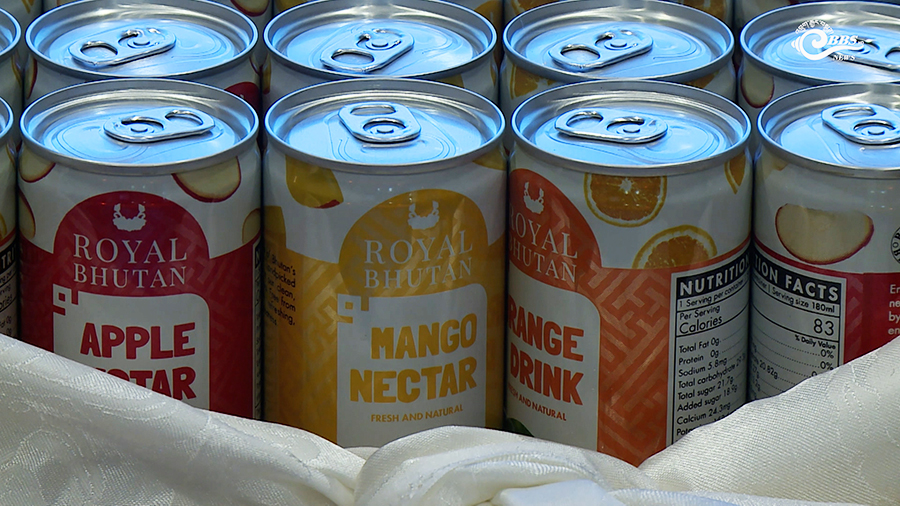
 Bhutan Agro Industries Limited has replaced tinplate cans with aluminium cans for its fruit juice products. The change aims to improve quality and meet international packaging standards. Aluminium cans are lighter and more durable, making them easier and cheaper to transport while reducing carbon emissions. With the new packaging, exports continue to Bangladesh and India. It will enter the Australian market next week with its first consignment worth nearly Nu 1 M.
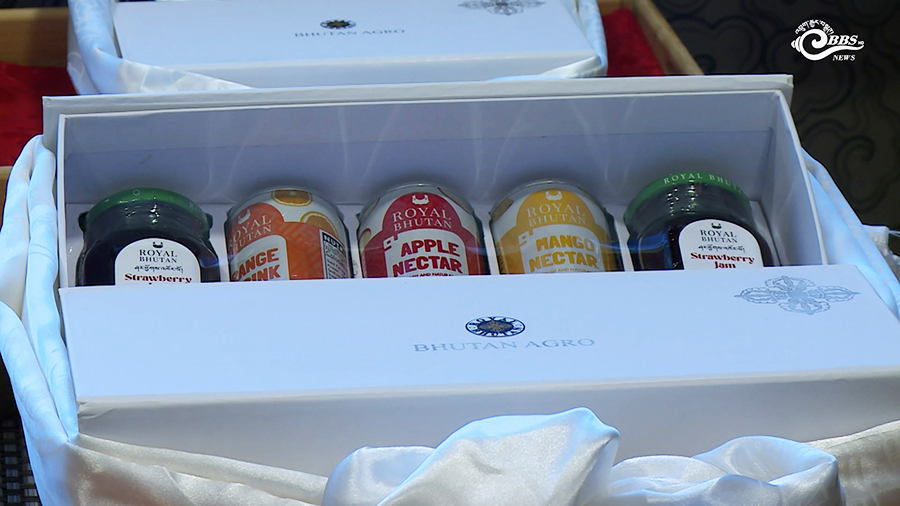 The new packaging is designed to be lightweight, easy to open and more convenient for consumers, while also helping preserve the freshness and flavour of the beverages.
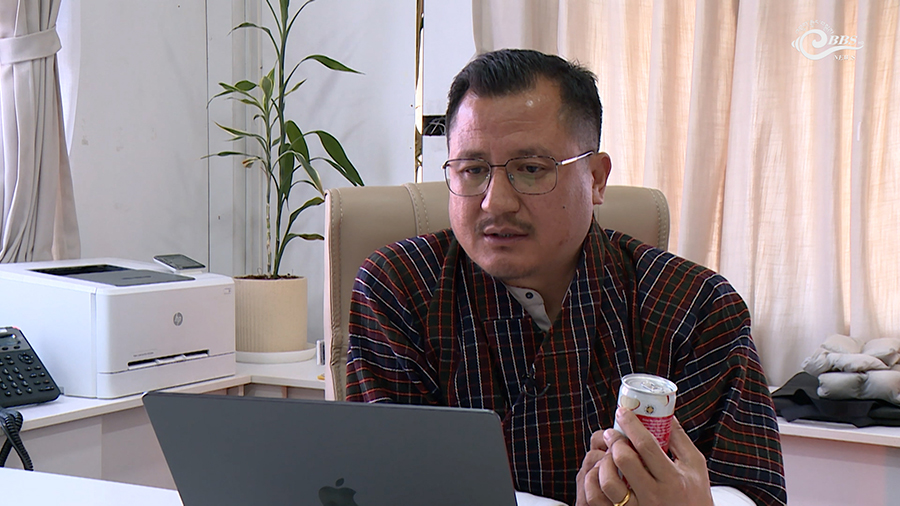
“We have introduced a product that is of global standard today. The products in aluminium cans are better in terms of quality and outer design, and look. This is an important milestone for Bhutan Agros,” said Sherab Namgay, Chief Executive Officer, Bhutan Agro Industries Limited.
According to the company, aluminium cans cool faster, are lighter to transport and protect the product better than traditional tin cans.
This shift supports the environment, as aluminium can be recycled without losing quality.
The reasons for using the aluminium can for packaging are to maintain the quality of the juice inside and for a better design and look compared to the traditional tin can. And the third reason is that aluminium can be recycled infinitely and has minimal impact on the environment. So we think it’s good for us,” said Sherab Namgay, Chief Executive Officer, Bhutan Agro Industries Limited.
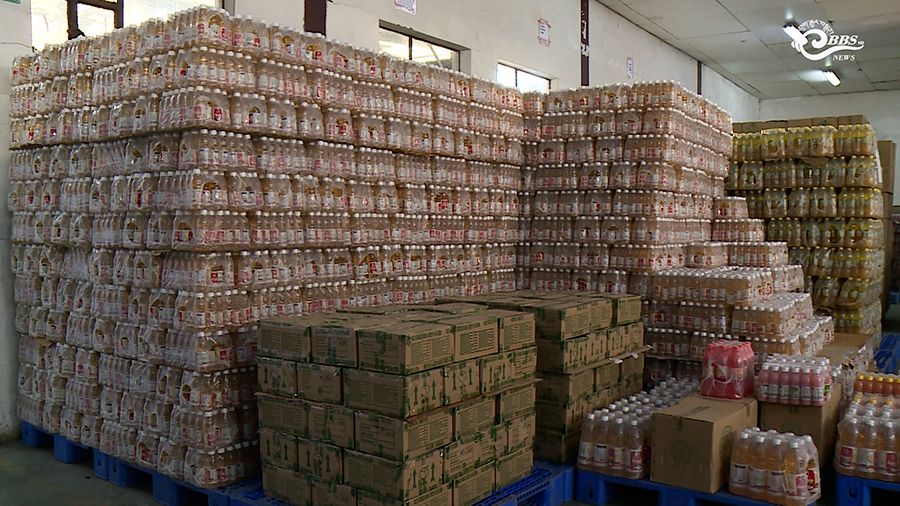 With the new packaging, the company plans to expand exports to neighbouring markets, including Bangladesh and parts of India such as Siliguri and Guwahati. The product also recently entered the Bodhgaya market.
Next week, the company will send its first consignment to Australia and is also planning to enter the Thailand market.
“Till now, we have been exporting to India and Bangladesh. It is for the first time that we will be exporting to Australia. Exporting products with fewer chemicals, preservatives and sugar abroad allows us to showcase the Bhutanese aspect, raise the Brand Bhutan and the fame of the country,” added the CEO.
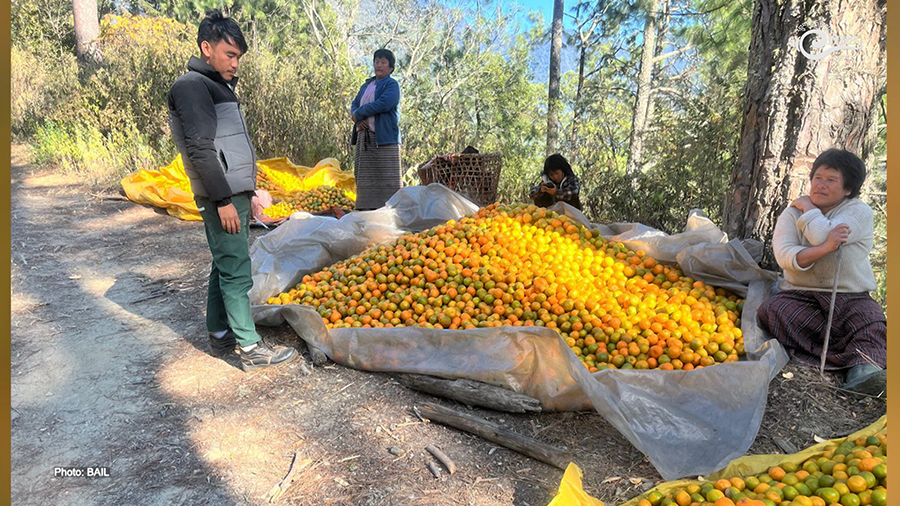 The CEO added that the change in packaging does not affect the product itself. The company continues to use fruits sourced from local farmers, which are processed at the company’s globally recognised food-safety certified plant at Lingmethang in Monggar.
Kelzang Chhophyel
Edited by Sonam Pem