 The country’s economy continues to grow, but the pace of expansion is slowing, driven by weaker performance in the industrial sector. The National Statistics Bureau’s third quarterly Gross Domestic Product report for this year shows that the real GDP grew by 5.31 per cent year-on-year, down from the growth recorded during the same period last year. At current market prices, the size of the economy is estimated at over Nu 88bn, representing an increase of over Nu 7.6bn compared to the third quarter last year.
According to the report, the slowdown was led by the industry sector, where growth fell to 3.07 per cent, down from 8.26 per cent last year.
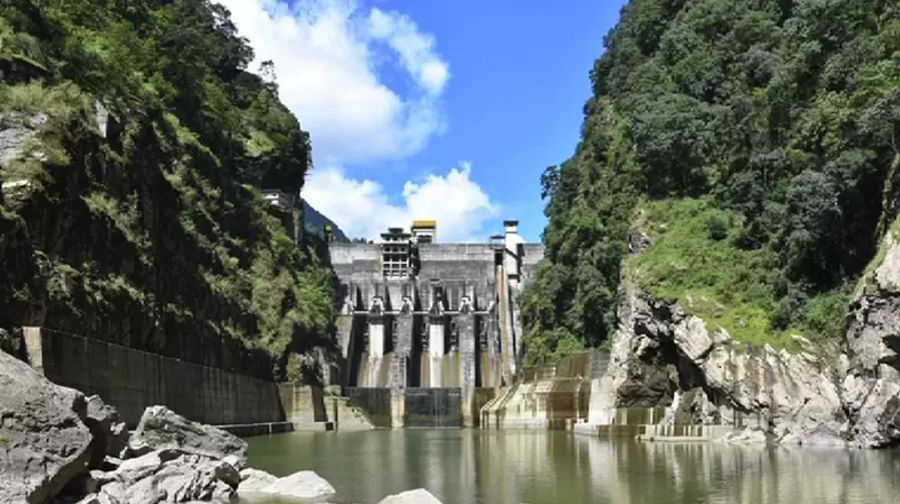
The industry sector’s gross value stood at over Nu 32bn, and its share of the economy declined to 37.11 per cent. NSB notes that the weaker outcome was driven partly by lower performance in the electricity sector, which remains a key pillar of industrial activity.
In contrast, the primary sector, which includes agriculture, forestry and livestock, grew by 5.30 per cent, nearly doubling its growth rate from last year. Its gross value reached over Nu 12.5bn, and it now accounts for 14.17 per cent of total GDP.
The tertiary sector, or services, continues to be the backbone of the economy, contributing the largest share of GDP at 48.71 per cent.
The sector recorded a growth rate of 6.92 per cent, with a gross value of over Nu 43bn. However, even this dominant sector showed signs of cooling, as growth slowed by 2.56 per cent compared to the same quarter last year, despite steady activity in hotels, restaurants, finance, and transport.
While Bhutan’s economy remains on a growth path, the latest data highlights a loss of momentum.
The performance of the GDP will now depend on whether industrial activity, particularly electricity generation, can recover in the final quarter of the year.
Namgay Dema
Edited by Phub Gyem