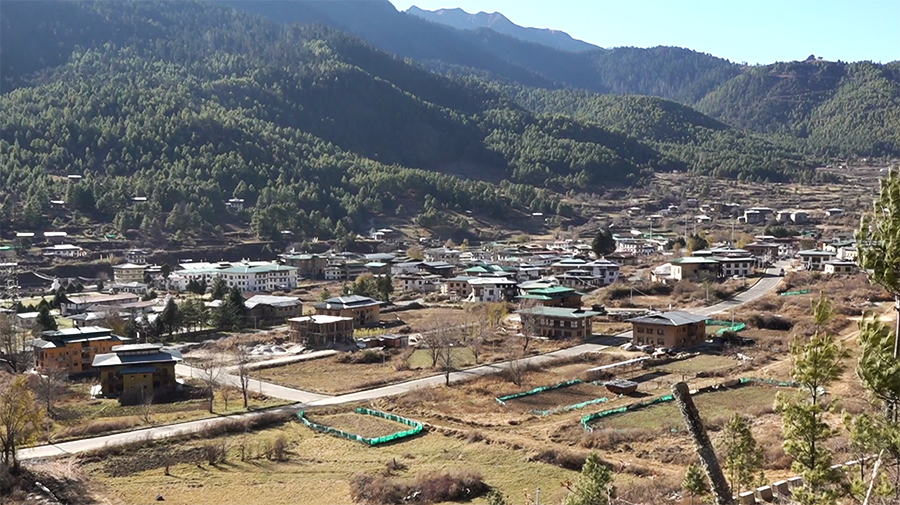
 Haa, one of the country’s least populated districts, is struggling to sustain its economy with a limited population base. The valley of around 14,000 has the country’s second-lowest population after Gasa. Business owners, transport workers, and homeowners say the shrinking population is directly affecting livelihoods across the district. Now, the residents and business owners are urging policymakers to intervene.
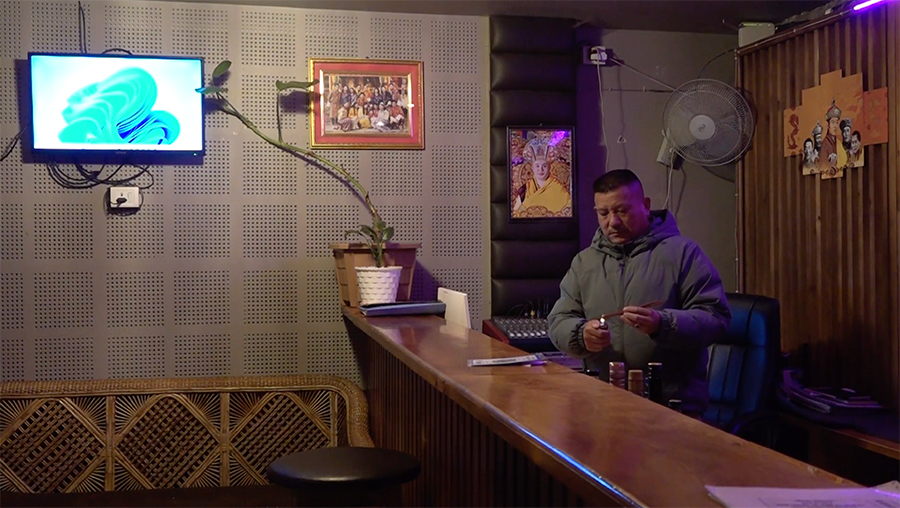 For Kinley Dorji, who runs a karaoke bar in Haa town, the challenges have only grown over time. He started his current karaoke business two years ago with the hope of hosting larger events, something he could not do at his previous location. Instead, he now struggles to attract even a handful of customers, including on weekends.
“It has been two years since I started this karaoke business. Given how things are now, repaying my loan feels impossible, and even paying the monthly rent has become difficult. I urge policymakers to find ways to retain people in the district and attract more visitors so businesses like mine can survive.”
Kinley believes the dwindling population is partly linked to what he describes as Haa’s ‘secondary’ status compared to other districts.
“Haa feels like a district only in name. For almost everything, whether starting a business, renewing licences, paying income tax, or getting forest permits, we have to travel to Paro or Thimphu. This makes it very difficult to operate a business here.”
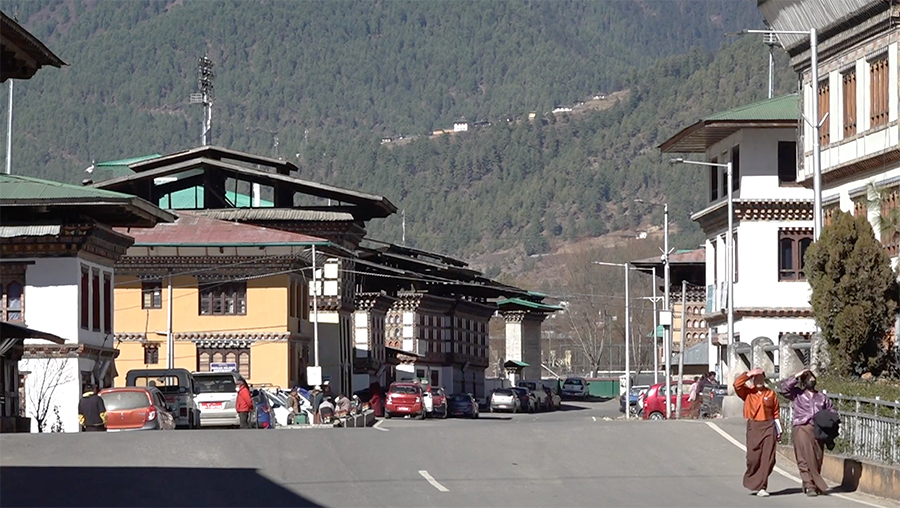
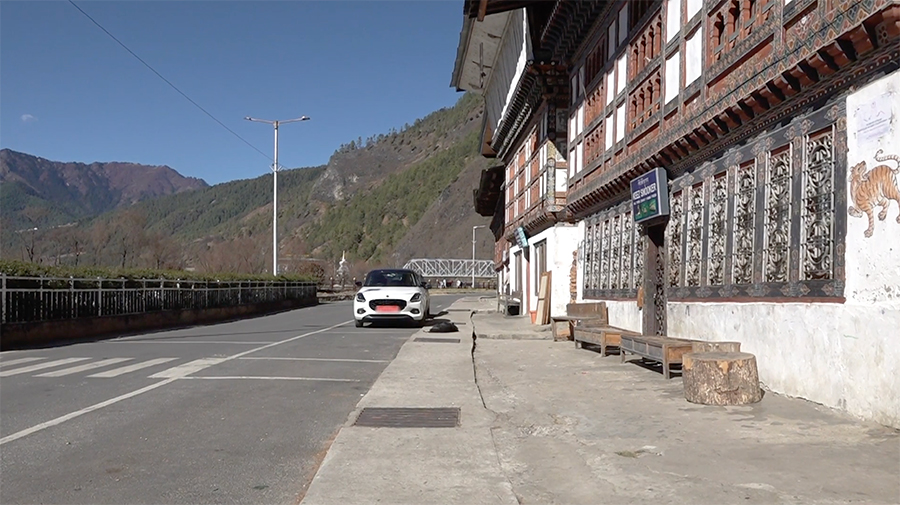 Other business owners and home owners express similar concerns, adding empty shops and vacant houses have become a common sight.
Signboards advertising shop spaces in the streets, while rents have dropped sharply. Some report, the rents dropped by nearly half, all in a desperate attempt to retain remaining tenants or attract new ones.
Chundu Gem, a house owner said, “There is hardly anyone in Haa. It feels like the lockdown period during the pandemic. We cannot find tenants for the houses we built, which makes loan repayment very difficult. Our children are also staying at home because there are very few job opportunities in the district.”
Kinley Zam, a shop owner said, “The situation in Haa is very bad. If you run a business, there is no profit, and if you own a house, there are no tenants. In other districts, rents are increasing, but here they have fallen because there are no people. Some are giving up on their homes altogether, and even land prices have dropped.”
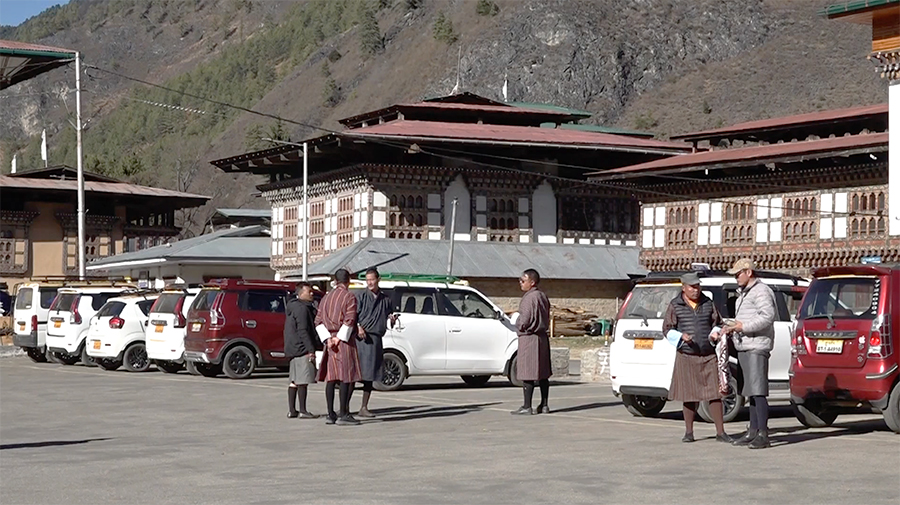 For those whose livelihoods depend on daily movement and people, the situation is equally bleak. Taxi drivers say the lack of residents and visitors has made it difficult to earn a living.
Tshering Penjor, a taxi driver said, “When there are no people, even taxi drivers earn nothing. It becomes difficult to pay our bills. I hope the government looks at ways to improve economic activity in the district so it benefits business owners and the people of Haa.”
The Haa Municipal office acknowledged the challenges, saying the issue has been discussed multiple times with the district’s Member of Parliament and during Dzongkhag Tshogdu meetings. Officials say strengthening tourism in the district is currently a priority, which they believe will help stimulate the local economy.
However, some residents say a strong focus on tourism does not adequately benefit businesses and households that are not directly linked to the tourism sector.
Tshewang Penjor, a resident said, “Tourists come to Haa, stay in a hotel for a few days, and then leave. I do not see how that directly benefits local residents, especially homeowners.”
 The municipal office also says it is exploring ways to establish institutions in the district to attract people and create long-term economic activity.
In the meantime, residents of Haa continue to wait for measures that can reverse the outflow of people and revive economic life in the district.
Karma Samten Wangda, Haa