Chilli growers of Bedengphu–Merdag Chiwog in Kangpara Gewog, Trashigang have been left disappointed because of poor production this season. Chilli blight, a serious disease that affects chilli plants, affected the yield. Farmers there grow chilli as the main source of income.
Farmers in Bedengphu village of Kangpar Gewog have almost completed harvesting local green chilli.
Most farmers sell their harvest in the nearby districts for around Nu 50 to Nu 80 per kilogramme.
They usually earn between Nu 100,000 and 300,000 annually.
But not this season.
In most parts of the village, the crop is damaged by chilli blight, a severe disease leading to sudden wilting and rotting of the fruit and root of chilli plants.
Farmers are harvesting whatever remains after the infection.
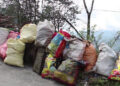
While some have dried their harvest on rooftops, others have dried and processed the spice into chilli powder to sell in local markets.
“Chilli production this year declined. My uncle and aunt could not even harvest from one field. They had to leave the crop in the field and could not dry it. All our hard work went to waste just when it was time to harvest. The earnings from the crop decreased by Nu 50,000 to 100,000 for farmers growing the crop on a large scale. I earned only around Nu 100,000 this year,” said Tshering Zangmo, a chilli grower from Bedengphu.
“It is better to sell green chilli, even if we get only around Nu 50 per kilogramme. However, since some of the chillies were damaged, we had to dry them instead. After drying, we also make chilli powder by adding different ingredients, which helps fetch a better price. I also make plain chilli powder,” added Singye Zangmo, another chilli grower in Bedengphu village.
The Gewog Agriculture Extension Supervisor said several factors, including poor crop management, poor drainage, and the lack of crop rotation, cause chilli blight.
He added that the office had advised farmers to follow proper plant protection and management practices to minimise damage. However, many farmers remain reluctant because it is labour-intensive and involves multiple steps.
Close to 250 farming households in Kangpar Gewog cultivate chilli.
Last year, they grew the spice on around 100 acres of land and produced 135 metric tonnes of chilli.
Sonam Darjay, Trashigang