
 A new analysis by the International Centre for Integrated Mountain Development (ICIMOD) finds that climate finance for the Hindu Kush Himalaya remains critically inadequate. As per ‘The Climate Finance Synthesis Report’ released earlier this week, the countries within this region will require over USD 12 trillion for climate mitigation and adaptation, yet the current financial flows fall far short. It states that as the world warms, the mountains that sustain almost two billion people are becoming increasingly vulnerable.
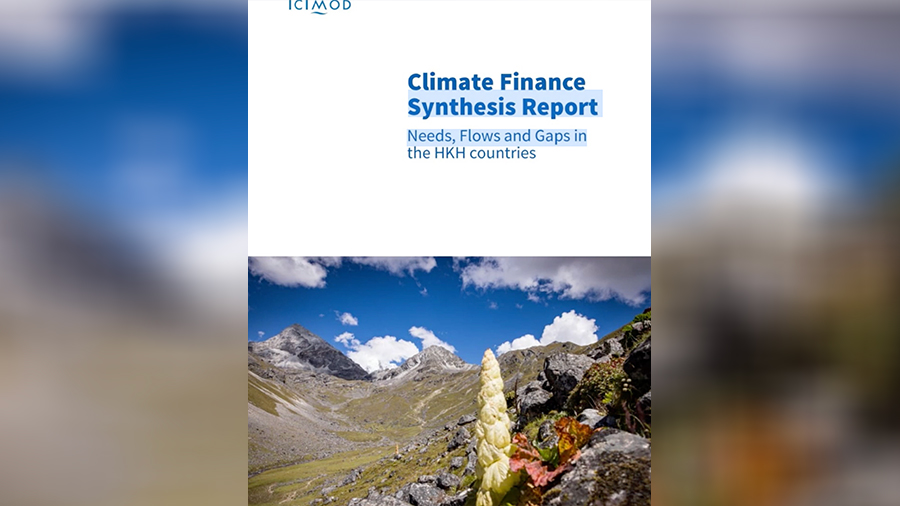 According to the report, insufficient funding is leaving one of the world’s most fragile mountain regions, often referred to as the ‘Third Pole’, dangerously vulnerable to rapid glacier melt, increased frequency of disasters, and escalating risks to water supplies across Asia. Mitigating these challenges between 2020 and 2050 translates to USD 12.05 trillion, roughly USD 769bn per year.
India and China account for more than 90 per cent of the total requirement due to their size.
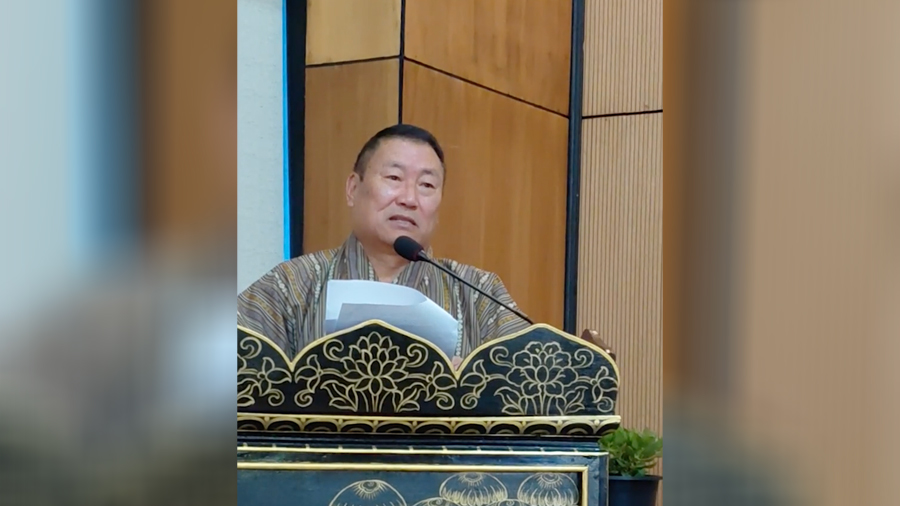
“We would like to request you all to act urgently and act together. The Hindukush Himalayan Region cannot wait for all the information and evidence that we need. We have enough evidence and scientific data to act now,” said Pema Gyamtsho (PhD), Director General, ICIMOD.
While major economies can invest heavily in mitigation and adaptation, countries, such as Afghanistan, Nepal, Pakistan, Myanmar, Bhutan and climate-sensitive regions of India, are compelled to spend large shares of their national budgets on adaptation. This traps nations in not just a financial burden but also a recurring cycle of fixing damages from climate change. Besides, for countries like Bhutan, the annual per capita climate finance needs are estimated at USD 2,126.6, which is 57 per cent of the country’s per capita GDP, further aggravating the financial needs.
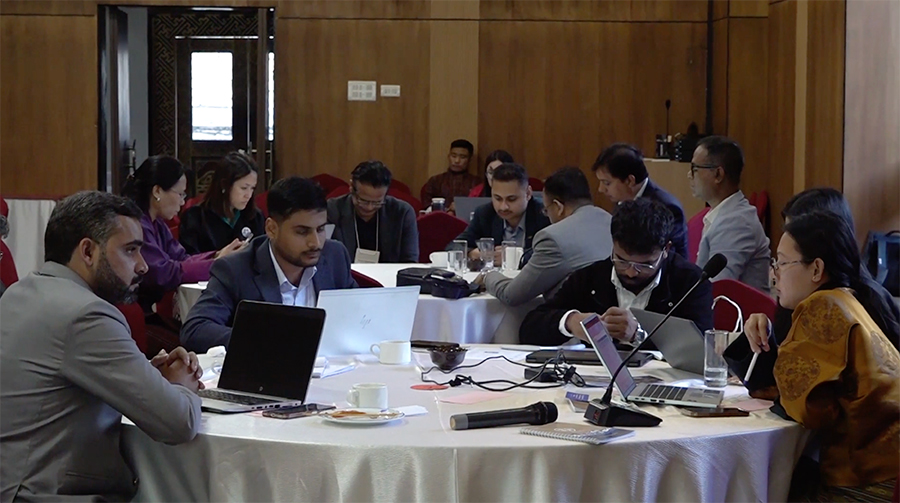
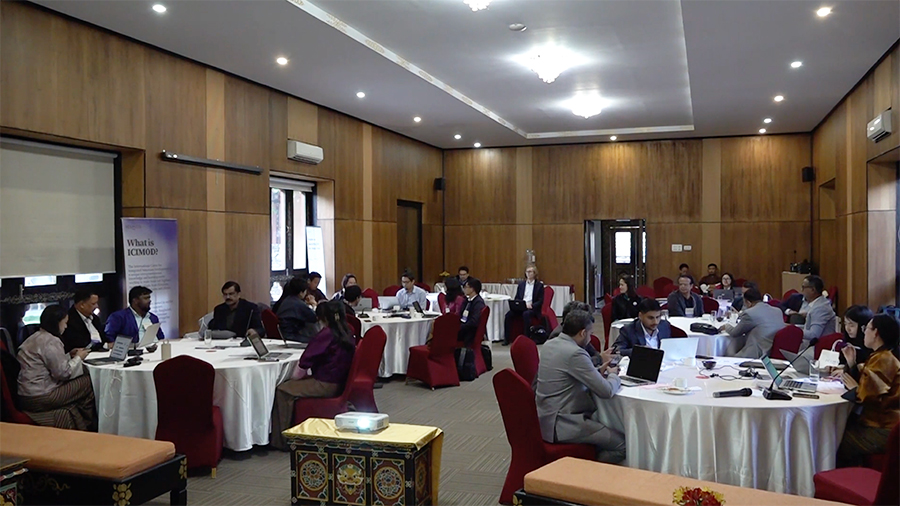 Against such a backdrop, participants from Bhutan, Nepal, Pakistan, Bangladesh, and China met recently to discuss climate finance readiness and ways to improve access to funds.
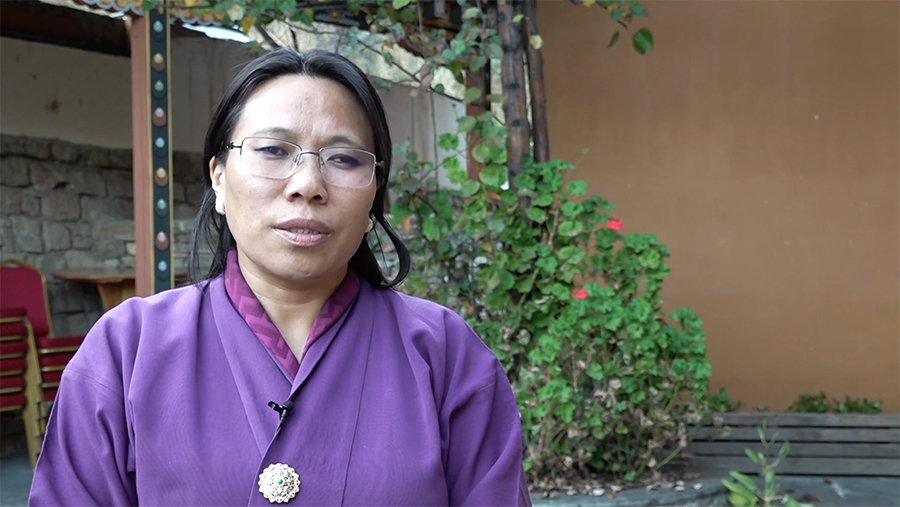
“We’ve had a very constructive two-day regional consultation meeting, where we could identify some of the concrete national as well as regional-level project ideas. ICIMOD will take this forward with the regional member countries, with guidance from the global funds, as well as accredited entities, in developing into a concrete project proposal to be submitted to the respective global funds,” said Kunzang, Global Lead, ICIMOD.
The participants also discussed innovative financing options, such as allowing countries to reduce debt in exchange for protecting nature, and green and blue bonds, which finance sustainable environmental projects.
Edited by Sonam Wangdi