
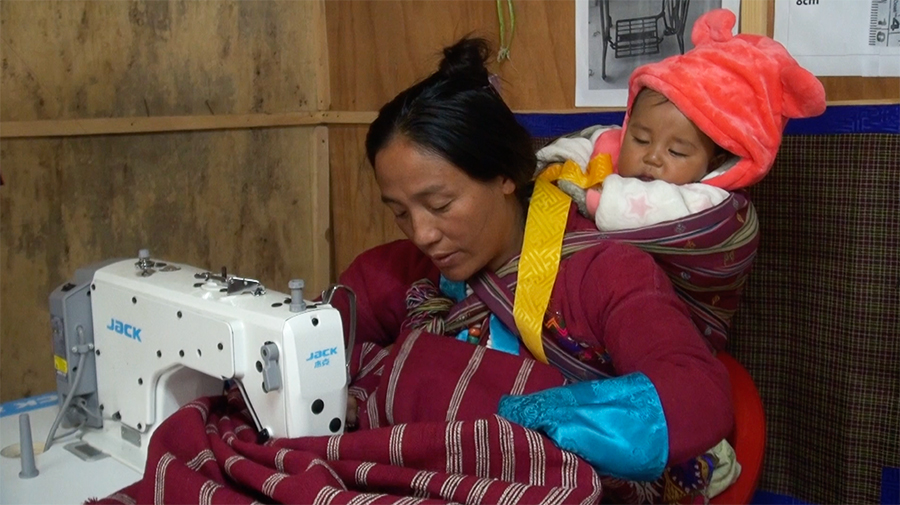
 A two-month basic tailoring training in Merak has transformed how people perceive their traditional dress, which was previously tedious and time-consuming to make. With the new skills, people in the gewog can now stitch the garments easily using sewing machines.
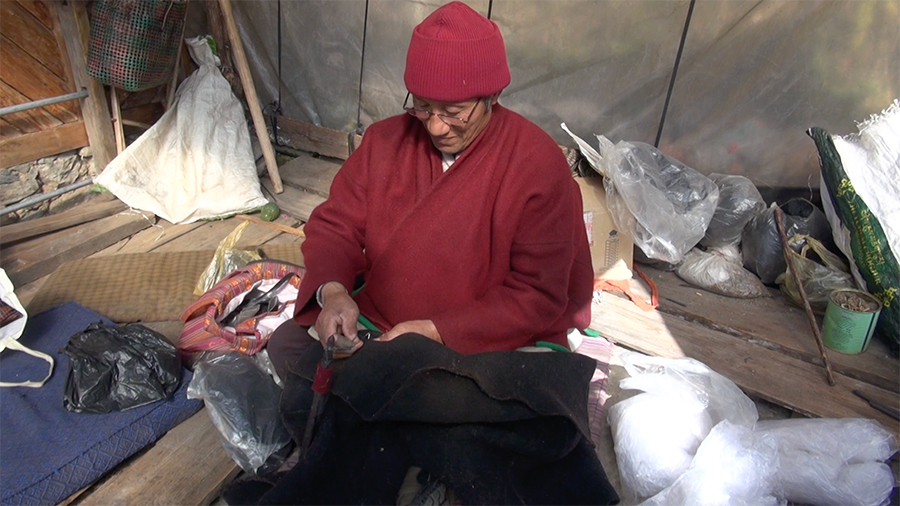 People in Merak have long stitched their traditional dress by hand using needles, a slow and difficult process.
Residents say it takes about days to complete one garment, and the final product often lacks neat finishing.
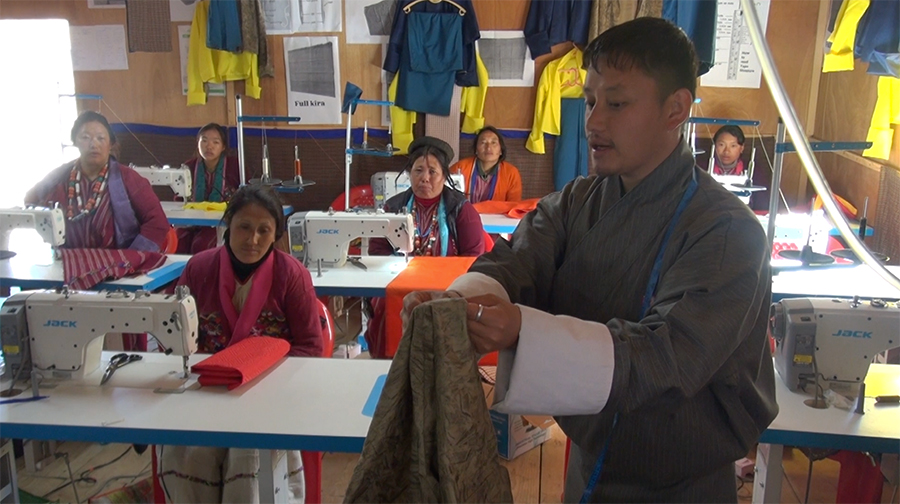 Now, after 21 women from the gewog completed training in machine-sewing, many expect to see garments with more refined seams and proper finishing.
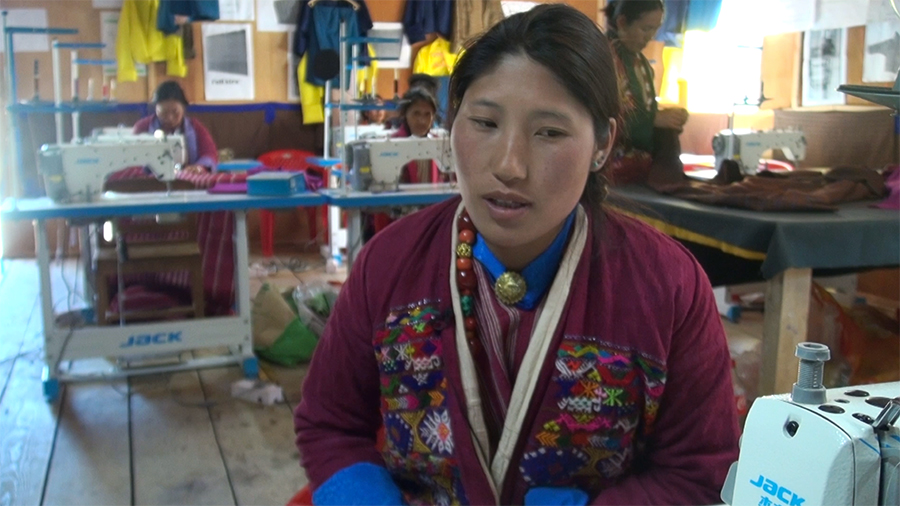
Ngawang Lhamo, a participant said, “We had very few people who could stitch our dress, so we always had to request their help. With support from RENEW and UNDP, we have now learned to use sewing machines. What once took us an entire day can now be completed in just a few hours.”
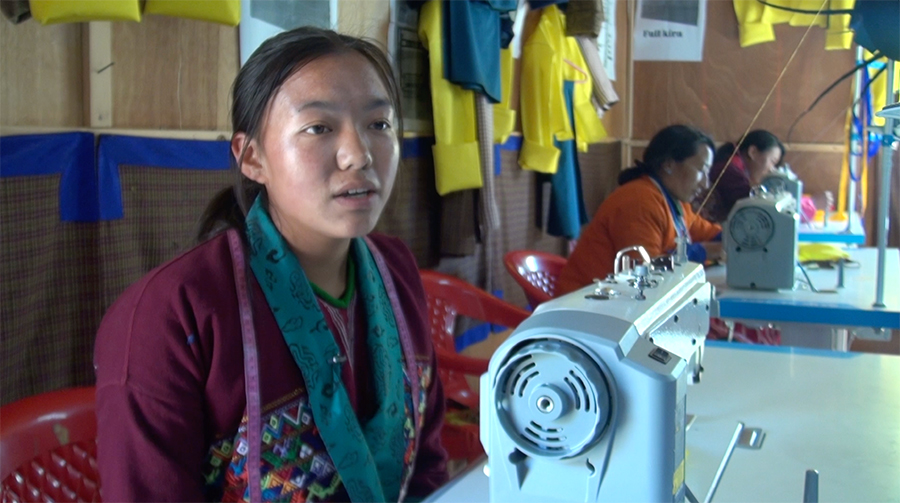
Sangay Choden, who completed Class 12 but could not qualify for college said, “When this tailoring training was offered, I seized the opportunity to learn new skills that will be useful in the future. I am also considering starting a tailoring business.”
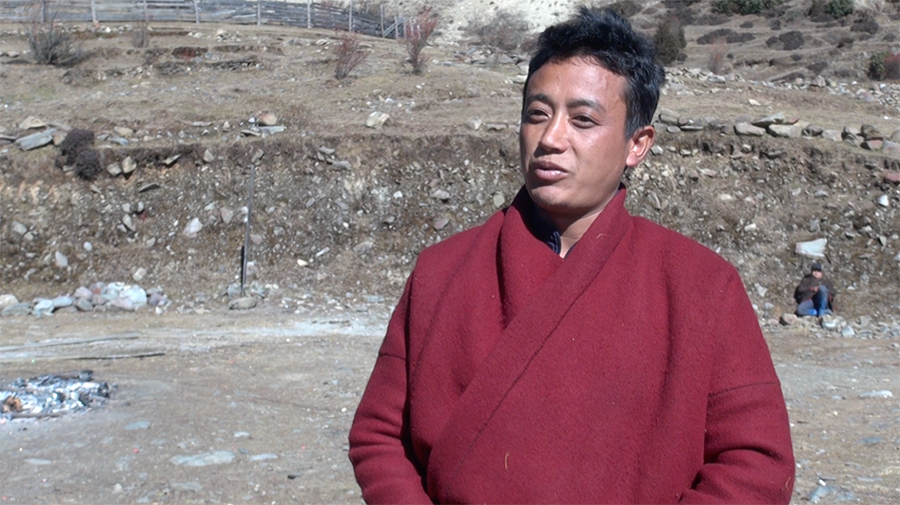
“Earlier, we stitched both men’s and women’s garments entirely by hand. It was challenging because we needed extra hands to hold the fabric in place while sewing, and sometimes needles would prick our fingers. The machines have made a huge difference. What used to take an hour can now be finished in just one or two minutes. I’m even considering starting a tailoring service here in the village,” said Sangay Phuntsho, another participant.
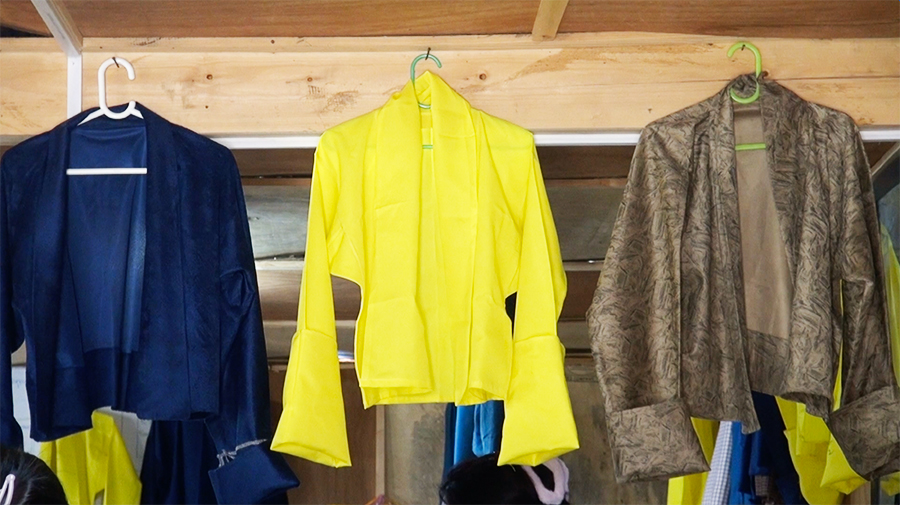 The participants also learned to tailor tego, wonju and kira.
RENEW conducted a study in 2024, which found that the community lacked tailoring skills.
In response, the organisation, in collaboration with Mountain Craft and UNDP, organised the two-month training programme this year.
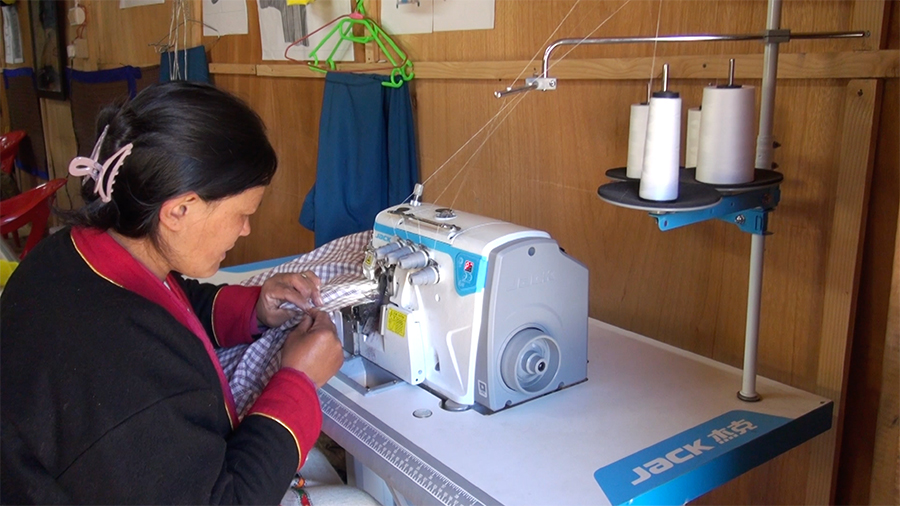 Sewing machines were then handed over to the participants on a cost-sharing basis.
With newly acquired skills and access to sewing machines, women in Merak are now better equipped to preserve their traditional attire and improve its quality.
Sonam Darjay, Trashigang