
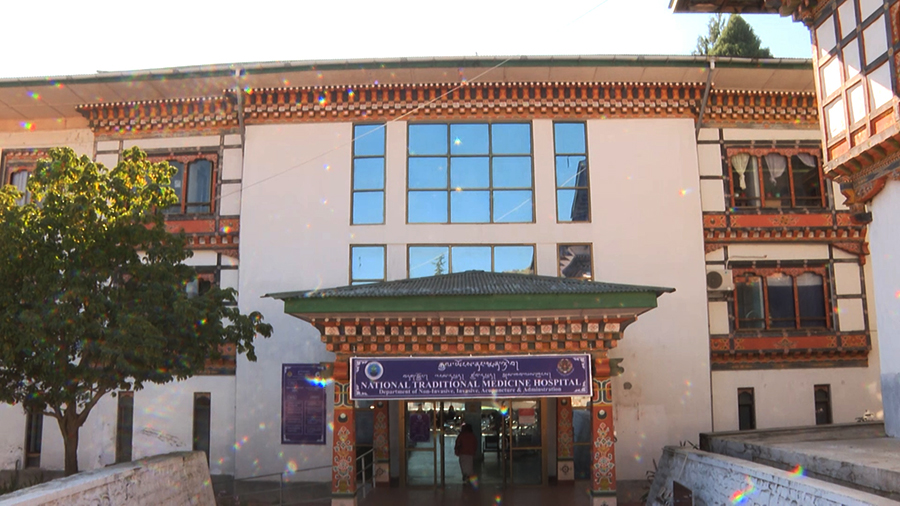
 With more people turning to traditional medicine, the country is working to strengthen the system. The Health Ministry has launched a new action plan and upgraded the National Centre for Traditional Medicine Services. These reforms aim to help the ancient healing tradition respond more effectively to rising health needs while safeguarding its cultural roots.
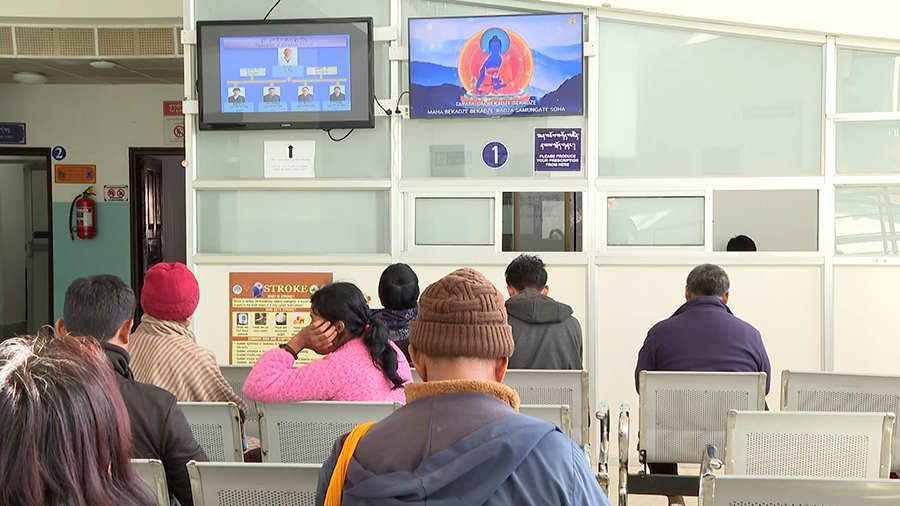 The traditional medicine hospital in Kawajangsa treats about 400 patients every day.
Most seek care for orthopaedic and neurological problems, sinusitis, and stomach-related illnesses.
Last year, over 200,000 people used traditional medicine services, accounting for 23 per cent of all patients nationwide.
However, only 11 Dungtshos currently provide these services.
To meet this growing demand, the Health Ministry is expanding services under the National Traditional Medicine Strategy and Action Plan.
The plan includes upgrading facilities, improving infrastructure, training traditional doctors, building professional capacity, conducting research, raising awareness, and conserving endangered medicinal herbs through community-based programmes.
“The strategy brings together departments that have been working in silos. Once they are under one umbrella, our work will be more efficient. When discussions happen together, the centre will be able to make better progress,” said Kencho Wangdi, the Offtg. Head of the National Centre for Traditional Medicine Services.
The ministry has also inaugurated the National Centre for Traditional Medicine Services, which previously functioned only as a division.
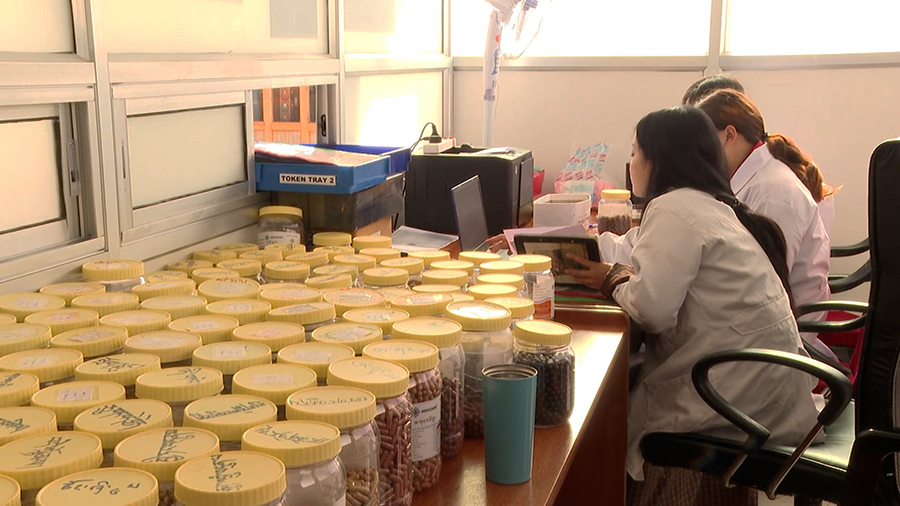 The unit, staffed by just five people, will now expand to 25.
Kencho Wangdi said, “The reason for elevating the division to a centre is to preserve our rich culture and to improve service quality as the number of patients keeps increasing. Another goal is to reduce dependence on imported medicines, as our medicines are made locally. When we build capacity and improve our services, patients will benefit directly with quicker and better care.”
The ministry says the strategy will also support wellness tourism, encourage entrepreneurship, and promote the sustainable use of Bhutan’s herbal resources.
The Bhutan Foundation has granted Nu 44 M to support the strategy.
With the strategy launched and funding secured, the next phase will focus on implementation, beginning with facility upgrades, workforce expansion, and collaboration with national and international partners to deliver the reforms.
Namgay Dema
Edited by Sangay Chezom