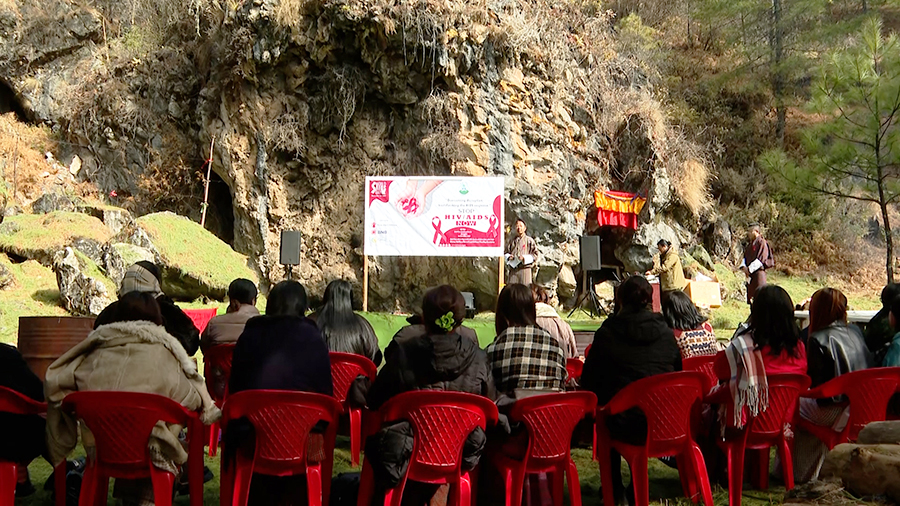
 Observing the World AIDS Day at Geneykha in Thimphu today, Lhak-Sam, the sole network for people living with HIV, launched an online feedback platform. The platform aims to make the feedback system for medical care more efficient among people living with HIV.
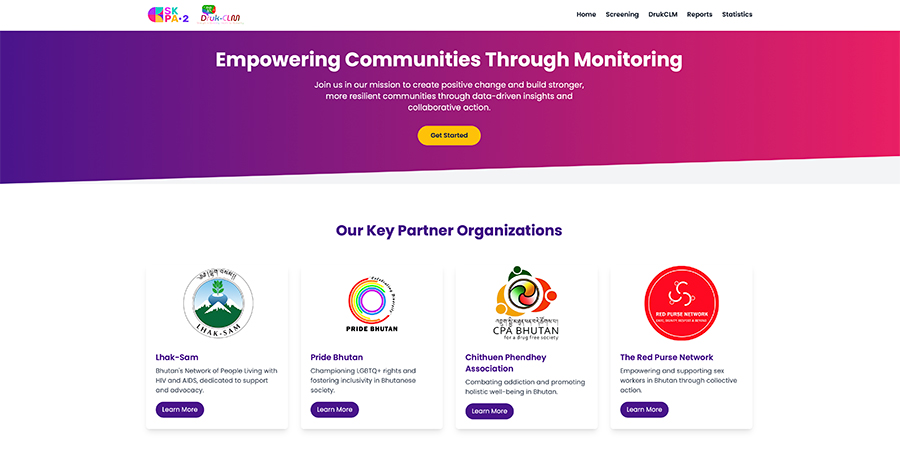 Launching the second version of system, it is now expected to be more efficient and faster.
For illiterate persons living with HIV, the coordinators meet them and note down their feedback to feed them in the system later.
Currently, majority of the people living with HIV are farmers and housewives, with 48 per cent as of July this year.
The system is called Druk CLM or Community-led Monitoring.
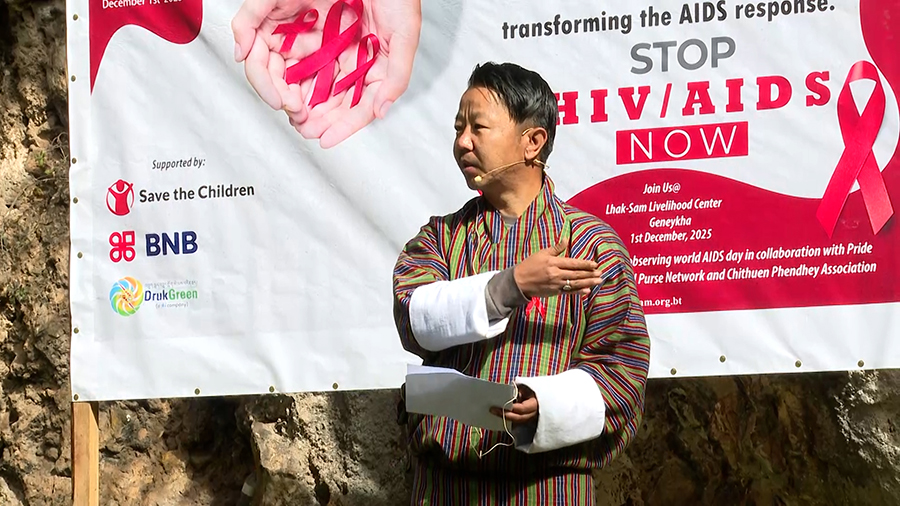
Dhan Raj Rai, the programme manager of Lhak-Sam said,“Initially, we developed this through the support of the Global Fund Regional Grant. CLM is basically a monitoring tool whereby the key population actually provides genuine feedback, which is, in turn, used to improve the quality of HIV and related services. So, this feedback is then generated into a report, and then this report is used for policy-level advocacy.”
Till July this year, there were 785 people living with HIV in the country.
At the event, Lhak-Sam highlighted the theme “overcoming disruption, transforming the AIDS response.”
Lhak-Sam said that the biggest disruption among people living with HIV remains discrimination along with financial constraints.

Wangda Dorji, the Executive Director of Lhak-Sam said, “Bhutan has already graduated into a low-middle-income country, and we are also estimated as a low-burden country in terms of HIV disease. So that’s why getting financial support is quite challenging. Unfortunately, we lack the normal financing for the HIV response, especially the community response to HIV. In terms of transformation, I think the civil society organisations like ours needs to further strengthen, need to further redefine its strategic coordination and collaboration.”
More than 1,000 HIV cases have been recorded in Bhutan since 1993.
Feedback websites such as the Druk CLM strives to create data-based policy changes for the community.
Singye Dema