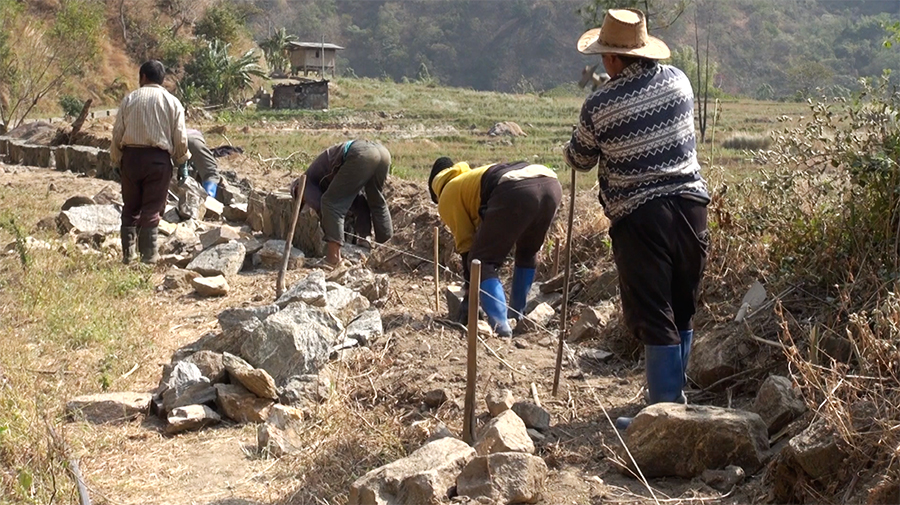
 Agri-tourism is becoming a popular way for people to experience village life, local food and farm culture. It lets visitors stay with farming families and explore rural areas that are not usually part of regular tourist routes. In Trashigang, the first-ever agriculture-based tourism site is now being developed in the Yomdi area at Bartsham Gewog.
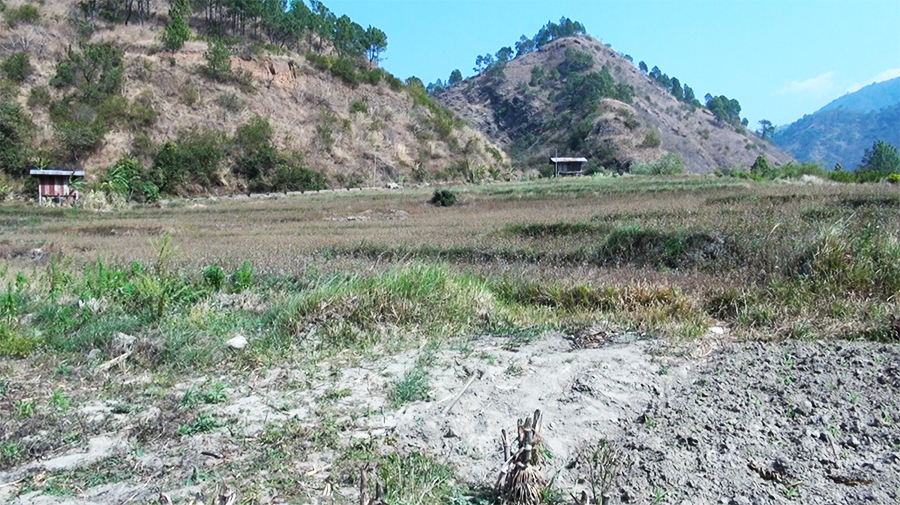 About 16 acres of land were left fallow for over two decades after floods damaged the irrigation channel. People began reviving the land six years ago after farm roads reached the area.
The district has now identified it as an agri-based tourism site, where visitors can experience rural lifestyle and farming practices.
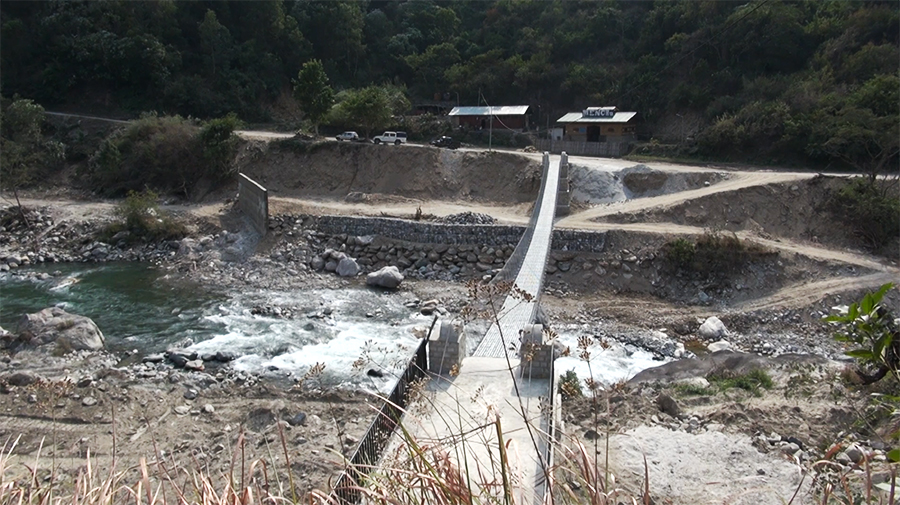 In the first phase, flood mitigation works were completed, including a river protection boulder wall. A bridge connecting the site to the Rangjung–Trashigang road has also been constructed.
Landowners are now preparing their fields and putting up chain-link fences. At present, ten households are cultivating the 16 acres of land.
“We have been cultivating paddy and discussing plans to grow various fruit trees. We also want to grow crops like sugarcane and banana to increase our income. Along with that, we are working to improve overall farm production,” said Rinzin Norbu, Resident, Bartsham Gewog, Trashigang.
“We received chain-link fencing support as requested. Now, we can safely harvest what we cultivate. We will continue to work hard. Since tourists will visit the area, we are planting more fruit trees and also planning to improve and maintain our houses,” said Dorji Gyeltshen, Resident, Bartsham Gewog, Trashigang.
About Nu 7.5 M was invested in the first phase of the construction, with funding support from the European Union.
Trashigang district is carrying out the project.
In the second phase, the district will construct eco-lodges, install solar streetlights, improve irrigation systems, and set up other basic facilities for visitors.
Sonam Darjay, Trashigang
Edited by Sonam Pem