 As Bhutan continues to promote itself to international visitors, domestic tourism is also on the rise. One of the increasingly popular destinations is Buli Lake in Zhemgang. Visitor numbers to the lake are growing steadily, and local businesses are benefiting from the surge in tourists.
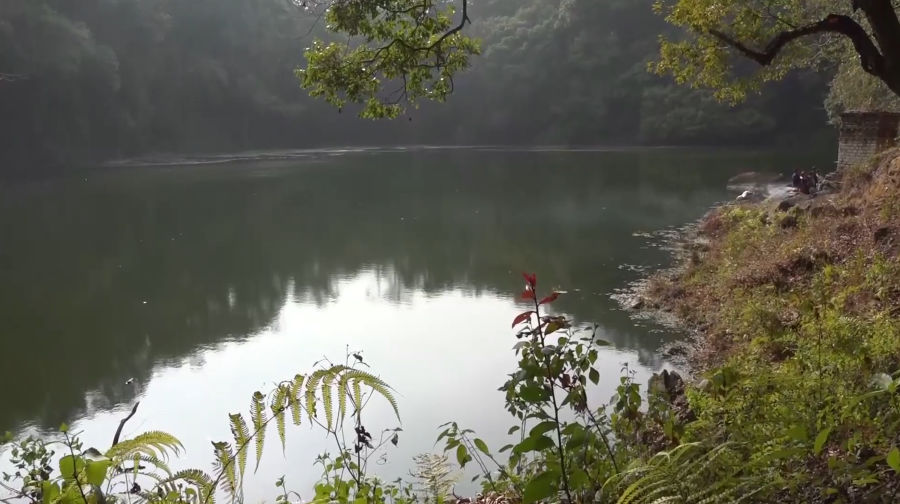
Buli Lake, popularly known as Buli Tsho, lies within the Buli Tsho Heritage Forest in Zhemgang. Roughly the size of three football pitches, the lake has long been revered by locals as a wish-fulfilling sacred site. Today, it is attracting visitors from across the country, particularly during the winter months.
While visitors do not arrive every day, groups of around 20 people often visit at a time. The community collects an entry fee of Nu 30 per adult and Nu 5 per child from local visitors. Besides offering prayers, many come to enjoy the lake’s calm and pristine surroundings.
However, residents close the site for two months during the harvest season, as they believe visiting the lake during this period could bring misfortune.
Although there are no official visitor records, locals say the number of tourists is steadily increasing. Many return home the same day, but some stay overnight in Buli village, supporting ten registered homestay service providers in the chiwog.
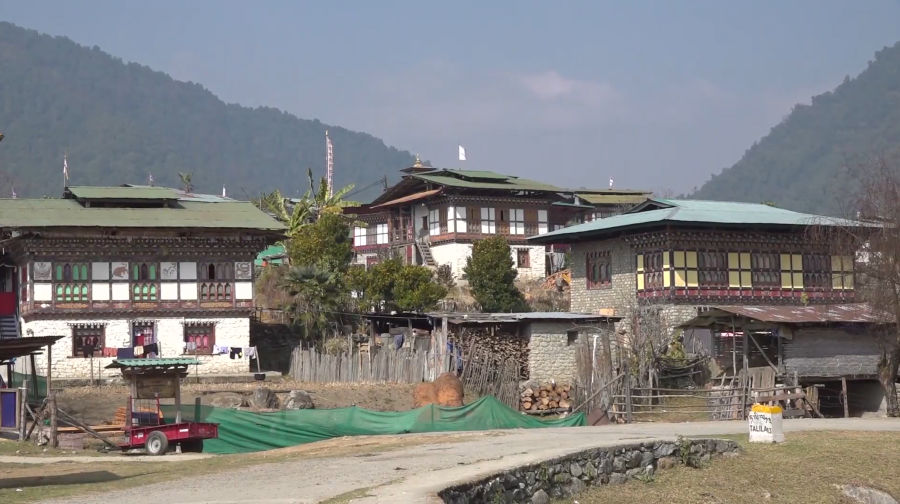 Kinley Wangchuk, a homestay service provider said, “We charge Nu 900 per person —400 for meals and 500 for an overnight stay. Our homestay business was not very popular in 2017 and 2018, but it began to pick up significantly from 2020 onwards.”
Pema Yangchen, who recently started a homestay in Buli said, “I attended a training program in Haa and obtained my license. It has been a few months since I started, but I haven’t had any guests yet—likely because the business is new and I haven’t been able to advertise it widely.
Tashi Yangzom has been running a homestay for about 4 years. She said, “It has greatly helped me generate income. In some months, when guests come, we earn around Nu 15,000- 20,000. However, at other times, we do not earn even a single penny when there are no guests
Some residents have expressed concern about the long-term sustainability of tourism in the area. They believe the community must promote other sacred sites to encourage visitors to stay longer, as most currently leave for Berti the same day.
Kinzang, a resident, said, “I am not sure if visitors are aware of the other sacred sites here beyond Buli Tsho. Most arrive in the morning and return to Berti by evening. Observing this pattern, we are concerned that Buli may face challenges in the future.”
The Nangkor Gewog Administration stated that it has already developed several additional sacred sites and urged homestay operators to be more proactive and creative in promoting their services.
Nangkor Gup Singye Wangchuk said, “We have already offered ample opportunities and support, and now it is time for them to take greater initiative and effort. While some providers are excelling, others are falling behind. Looking ahead, we also plan to develop the Buli Bebdue Menchhu to attract more visitors and boost local tourism.”
The gewog is also planning to develop an eco-tourism management plan for Buli Chiwog to strengthen facilities and support local enterprises.
Officials emphasised that the success of these initiatives will depend largely on community cooperation.
Changa Dorji, Zhemgang
Edited by Sangay Chezom