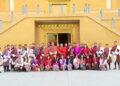
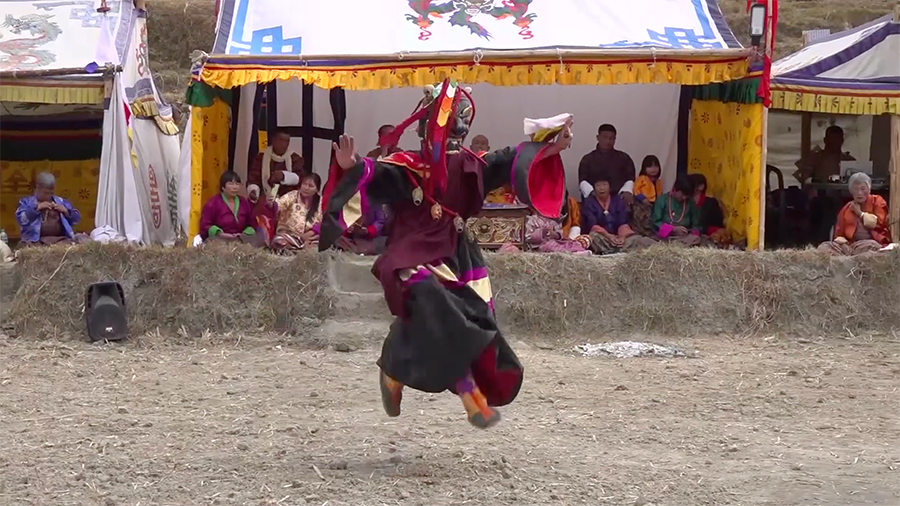
 From Genye Gewog in Thimphu to other districts, Chizhi Goenpa mask dancers are keeping a centuries-old tradition alive. They perform not only familiar tshechu dances but also rare sacred mask dances that few others showcase, including the biography of Chhogyal Norzang and Yethro Lham. Their efforts are helping preserve a distinct part of Bhutan’s cultural identity.
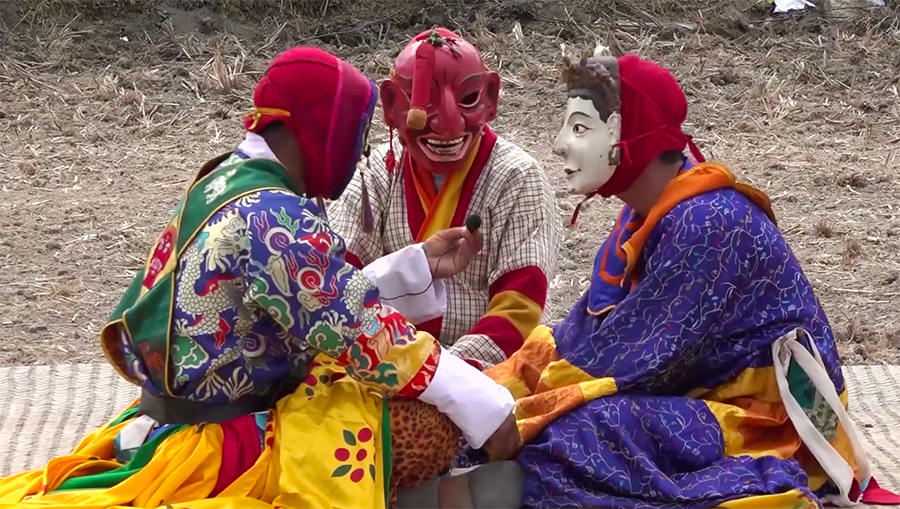 The three-day festival, known as “Dawa Wang,” concluded today at Dawakha Chiwog in Punakha’s Toedwang Gewog. Around twenty mask dancers, including Chizhi Lam from Genye in Thimphu, performed various mask dances, including the dramatic mask dances of Chhogyal Norzang and Yethro Lham.
Some believe the dances could be performed by local community members. However, many still prefer to invite the mask dancers from Chizhi Goenpa, saying they feel a deeper sense of spiritual fulfilment and devotion when the original dancers perform.
“In the past, four religious masters came to the country, and one of them arrived at Chizhi Goenpa. That lam introduced all the steps of these mask dances. The Dungchen at Chizhi Goenpa is also a treasured religious relic. They used to visit our communities and perform the mask dances, while people offered generous alms. If this tradition stops, there is a high chance the culture may disappear, as we are not prepared to perform it ourselves. That is why we invite them once every three years,” said Tawchu, Resident, Dawakha, Toedwang Gewog, Punakha.
Although there is no authenticated historical record explaining how these cultural traditions spread to different regions, locals say the practice has been passed down through generations. They believe it is not merely a festival but a sacred ritual that fosters peace and harmony in society.
The same mask dances will be performed next month in Wangdue Phodrang. The communities collect funds and pay daily wages to the dancers. The mask dancers say they feel proud to help preserve the culture in other regions.
“We feel proud to showcase our skills in mask dancing. The communities also support us by providing wages, and we try our best to perform according to what we have learned from previous generations,” said Lhawang Gyeltshen, Mask Dancer, Genye Gewog, Thimphu.
“We do not face many challenges, except that our personal work sometimes gets affected when we travel. But we always keep in mind that we are performing for other communities and try to perform equally well as we do at home,” said Namgay Tshering, Mask Dancer, Genye Gewog, Thimphu.
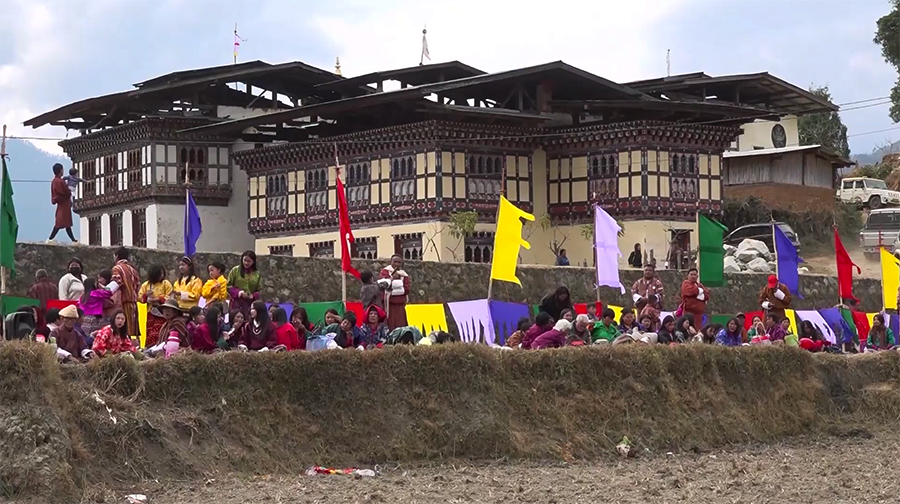 Meanwhile, locals say the festival is beneficial for their community as they do not have to take responsibility for training or maintaining mask dancers.
“Since the lam visits and blesses our community, and we offer alms, it helps ward off negativity and harmful forces, bringing peace to the village. It is one of the most important rituals for us, as it helps preserve our religious and cultural traditions,” said Tawchu, Resident, Dawakha, Toedwang Gewog, Punakha.
The mask dancers of Chizhi Goenpa currently perform in Dawakha Chiwog in Punakha, Martalungchu and Haebisa chiwogs in Wangdue Phodrang, and Bartsha–Namgyalgang chiwog in Dagana. And for many, these travelling mask dancers are a powerful reminder that culture lives strongest when it is shared.
Changa Dorji, Punakha
Edited by Tandin Phuntsho