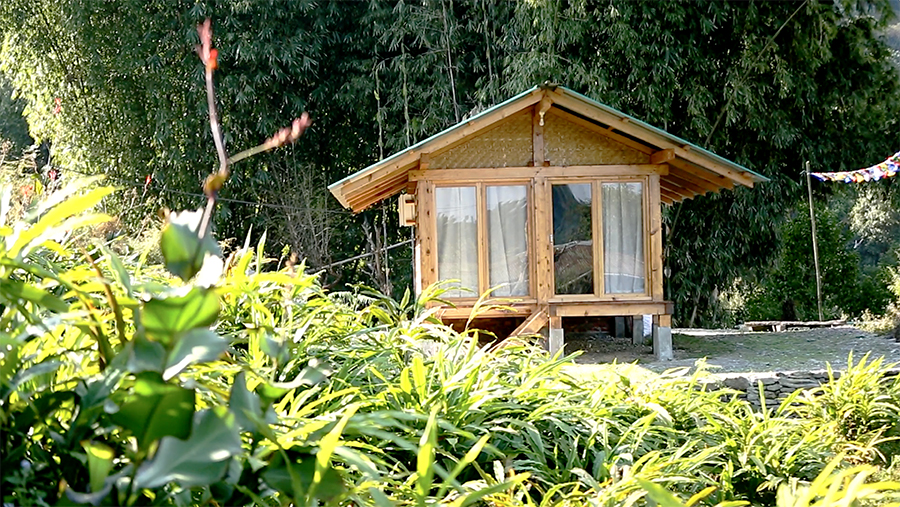
 In the foothills of Samtse, the Lhop community is finding renewed hope through community-led ecotourism. The Lhop Community Lodge, supported by the Tarayana Foundation and its partners, is helping residents sustain their livelihoods while preserving their cultural heritage.
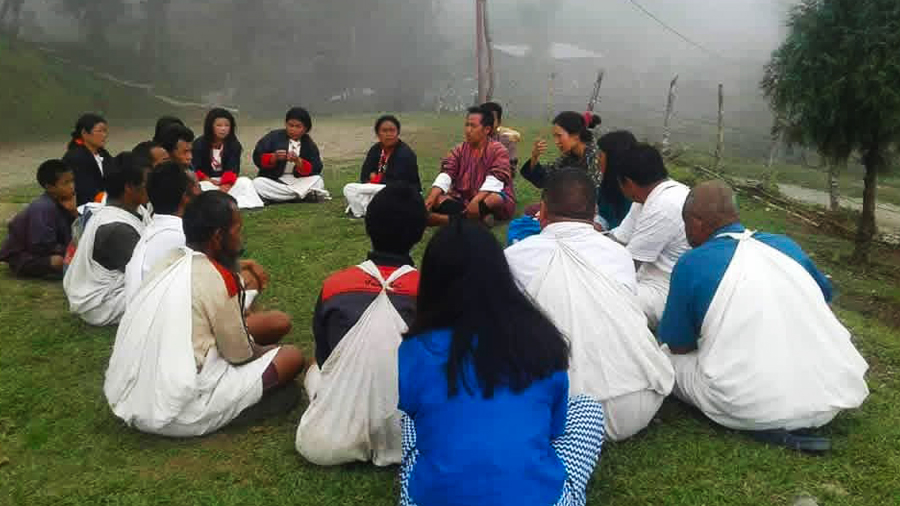 The Lhop community for generations has lived dependent on forests and subsistence farming.
Limited access to income opportunities left many families economically vulnerable.
However, the community-managed lodge designed using traditional Lhop architecture is creating economic opportunities.
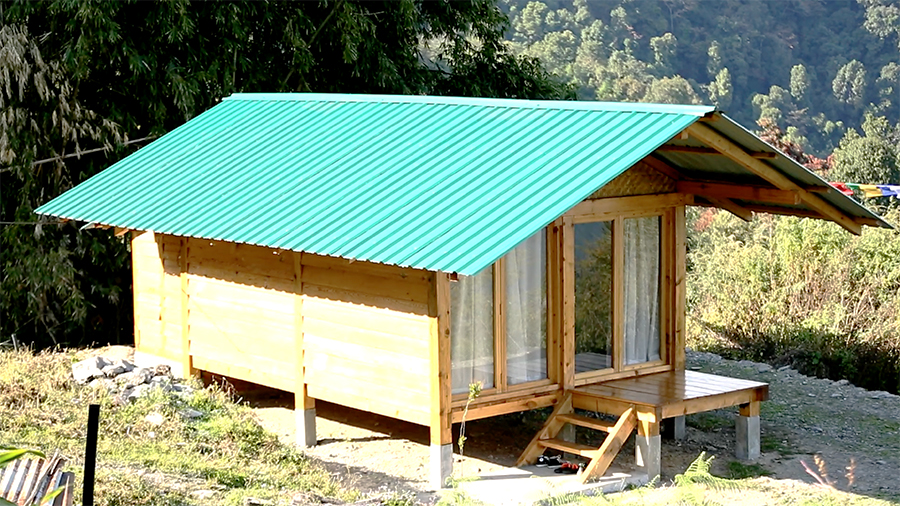 The lodge consists of two huts, built with an estimated cost of over Nu 1 M.
Sonam Tshering Doya, one of the owners said, “Tarayana has helped us a lot. They built houses for those without homes and supported the poor and persons with disabilities. We never had a stable source of income, so this community lodge gives us hope that everyone can benefit.”
Tshering Wangchuk Doya, another owner said, “When guests come, I buy vegetables, milk, cheese and eggs from other households. Even if one family hosts, the whole community benefits indirectly.”
They charge Nu 1,500 per night for a person. Most of the guests include district officials, and officials visiting the area for research.
The community-managed lodges became operational last month.
Beyond income generation, the lodge also serves as a platform to showcase Lhop culture, traditional food, songs and dance, and rituals, helping preserve a heritage found nowhere else in Bhutan.
Kunti Doya, a resident said, “I am happy when guests come to hear our songs. I allow them to record whatever I know so our culture can live on.”
Thinley Dema, field officer of Tarayana Foundation in Samtse said, “Guests come here to experience the Lhop culture which are their dances, food, and language. Even if the lodge benefits two households directly, it benefits the whole community indirectly.”
Karma Dorji Doya, Singye Tshogpa said, “Two community lodges have been built here. They will showcase Lhop culture to others, create youth employment, and generate income. Even if the gewog cannot support much financially, in terms of culture, we create awareness about preserving it.”
For the Lhop community, eco-tourism is not just about income, but about ensuring their unique identity is passed on to future generations.
Kelzang Chhophyel