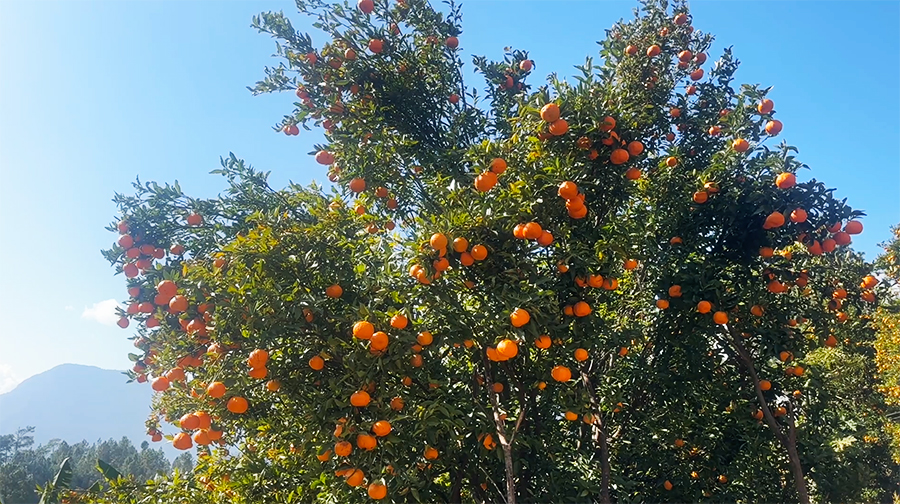
 Rising temperatures have caused problems elsewhere, but in Kengkhar Gewog’s Tongla village in Monggar, they have been a blessing. Mandarins, once rare here, now grow in abundance, turning the valley golden. The juicy fruits are ready to be harvested, and residents say both the quality and quantity have improved steadily over the years.
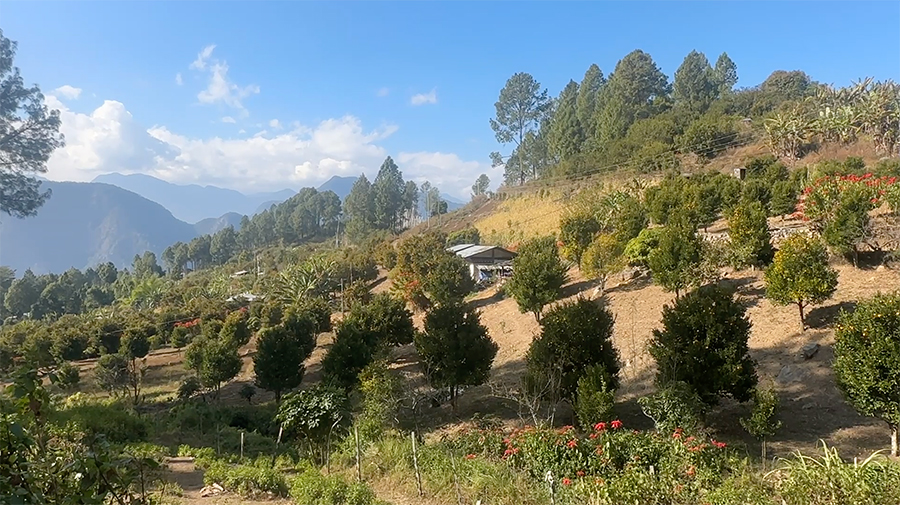 Tongla village, the first settlement on the way to Kengkhar Gewog Centre, is now filled with mandarin trees, heavy with fruit.
Among them is 53-year-old Sangay Tenzin, who started cultivating mandarins on a large scale in the early 1990s. Today, he is a happy man. He secured a deal worth Nu 125,000 for this season’s harvest, his highest earnings from an acre.
Last year, he earned more than Nu 60,000. He says the yield keeps growing as the trees mature and the climate improves.
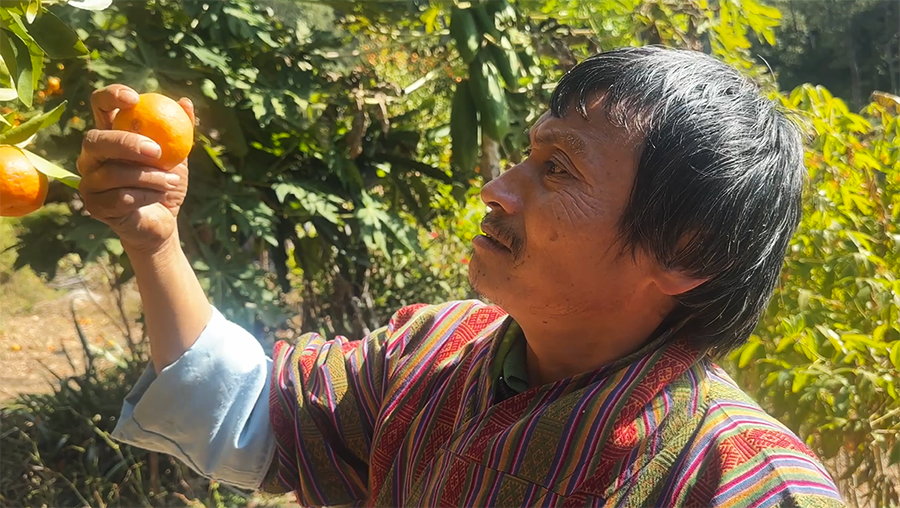
“I planted more than 60 saplings. They grew tall, but when it was time for fruiting, they began to dry and died. It is very hot in Kengkhar. Later, I tried cultivating mandarin here instead, and they have been doing well thus far. The climate is suitable for now, whereas earlier it was too cold to grow mandarins for commercial purposes. I am also exploring mangoes and lychees.”
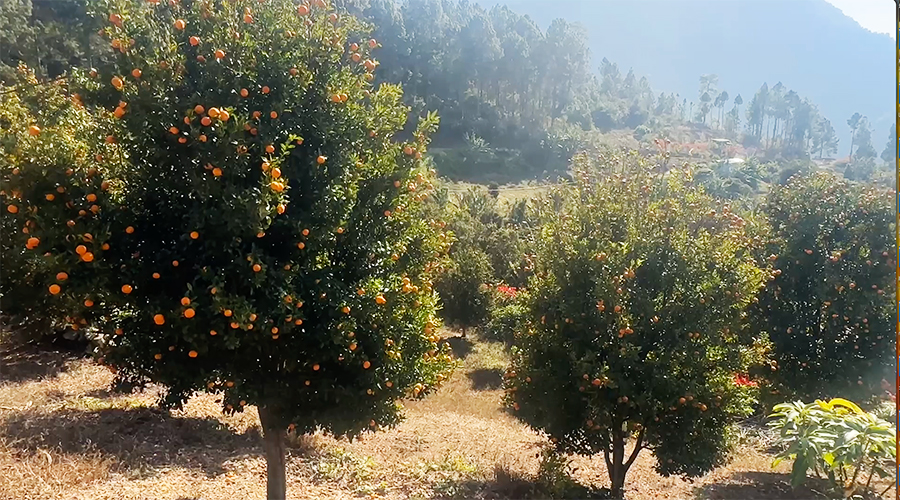 Almost every household in Tongla grows mandarins, which are their main source of income. This year, everyone is happy with the yield and the good prices buyers are paying.
“Last year, the yield was not good, and the price was also low. This year we received Nu 151,000 from selling mandarins. It is our only source of income. We have a water issue in our village, which is preventing us from cultivating vegetables for income,” said Leki Chenzom, Resident, Tongla, Monggar.
“Our parents grew mandarins, but the fruit was very small and never ripened properly; it would turn black. Now the trees are thriving here. I am not certain, but I believe this change is due to global warming and climate change,” said Kezang Jigme, Resident, Tongla, Monggar.
“Earlier, the best mandarins grew in lower-lying places like Moorung and Maanma. However, it started to slowly disappear due to diseases. Our grandparents grew only a few trees back then. Now, even goenpa, located at a higher elevation, is producing good quality mandarins in terms of both quality and quantity,” said Sonam Dargay, Resident, Tongla, Monggar.
Like any farmer, Sangay and his neighbours have their own challenges. Some fruits fall before they can be harvested, some trees are ageing too quickly, and others lose their leaves before the fruit ripens.
They are now planting other high-value fruits such as mangoes, lychees, dragon fruits, and avocados, hoping to see how long mandarins can thrive as temperature rises in Tongla village.
Namgay Wangchuk, Monggar
Edited by Sonam Pem