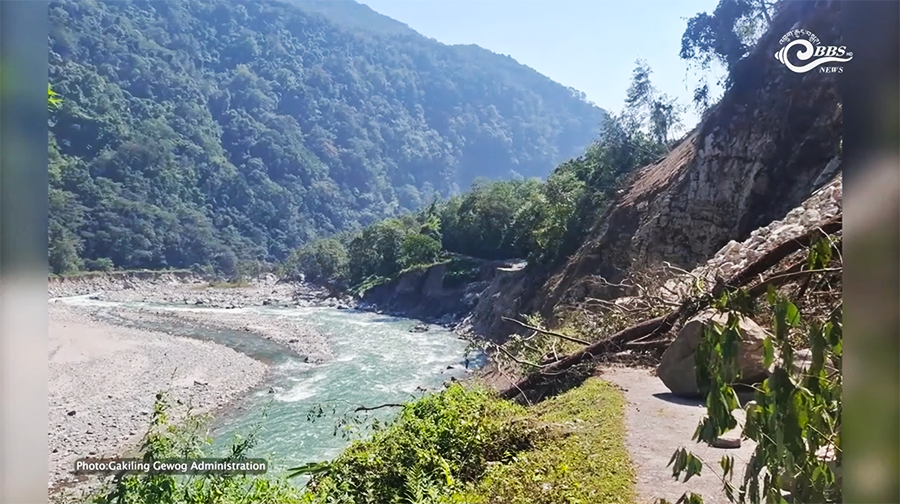
 Heavy rainfall-triggered landslides and flash floods in October last year have left several roads in poor condition across Gakiling Gewog in Haa. Residents say that unless permanent interventions are carried out soon, the same disasters could recur, cutting off communities once again.
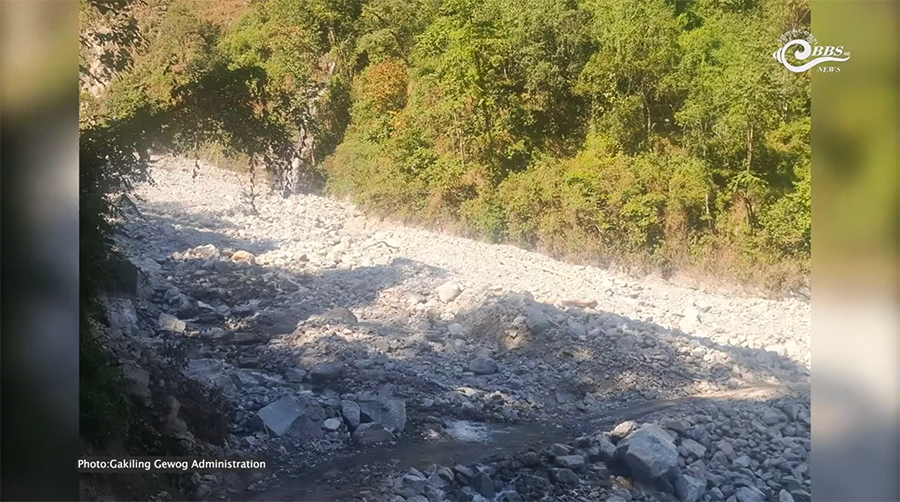 The most serious concern is the loss of five bridges. Three culvert bridges and two wooden bridges were washed away in October last year. These bridges connect key chiwogs, including Rangtse, Dorithasa, Ngatse, Thangdokha, and Sektena, and are vital for daily movement and emergency access.
The gewog administration says that while road restoration works are ongoing, the absence of bridges remains a major vulnerability.
Gakiling Gup Wang Tshering said, “For the time being, we have filled in the road sections where bridges were washed away and made them commutable. However, when the monsoon approaches and heavy rains return, we are concerned that the gewog could be isolated again, just like last year.”
Despite temporary improvements, the damage has already taken an economic toll.
Farmers say poor road conditions have disrupted the export of cardamom and oranges, while the import of essential goods such as groceries has also become more difficult and costlier.
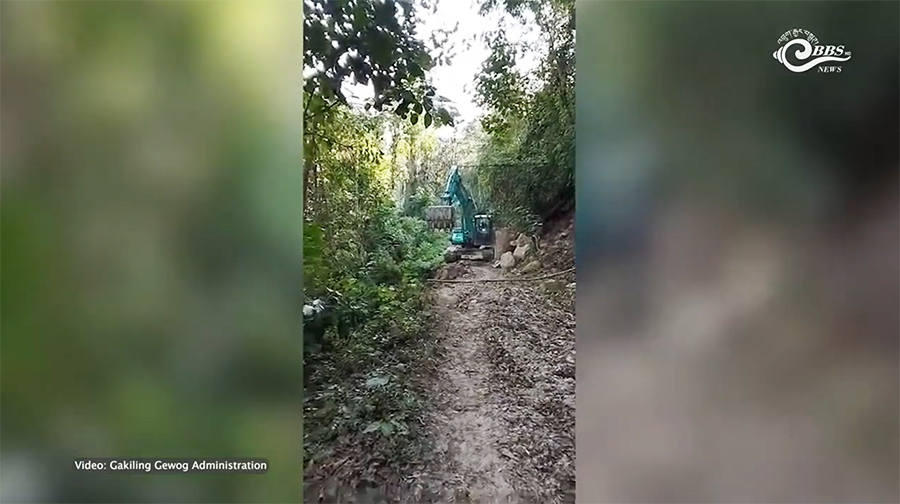 The Haa District Administration has so far provided two earth-moving machines to support road maintenance works.
The gewog administration estimates that total road maintenance costs could reach as high as Nu 1.5 M.
However, the gewog’s limited budget makes it impossible to build permanent structures such as bridges and retaining walls.
The gewog has sought funding from the district administration to restore the washed-away bridges, but officials have cited budget constraints.
“If we want bridges that will last, I hope the government can help us install Bailey bridges. This will not only keep roads open but also ease the difficulties people are facing right now,” added the gup.
Residents say the lack of bridges during monsoon months poses serious risks, particularly for health and safety.
Gaychu, a resident said, “During the monsoon, many people fall sick. When there are no bridges, and we cannot cross the rivers, people here in Rangtse and Tanga suffer. The same happens between Charchu and the dungkhag. Children also cannot come home during school vacations because the rivers become impossible to cross.”
Kaphey, another resident said, “In summer, the rivers swell, and the situation becomes very bad. The soil here is also unstable. Even if the government intervenes, without proper retaining walls, it will be very difficult to maintain these roads.”
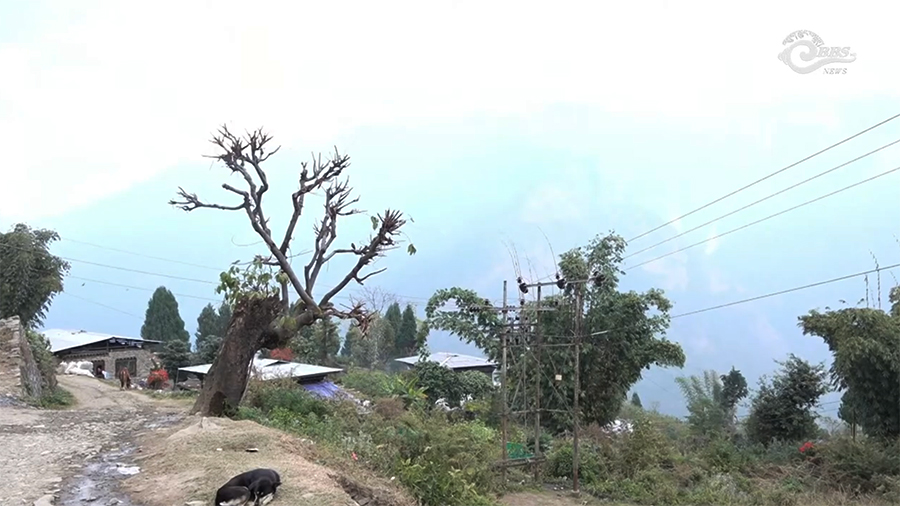 For now, the gewog has managed to keep all affected road sections temporarily commutable. However, without durable bridges and slope protection works, Gakiling residents brace for the monsoon season.
Karma Samten Wangda