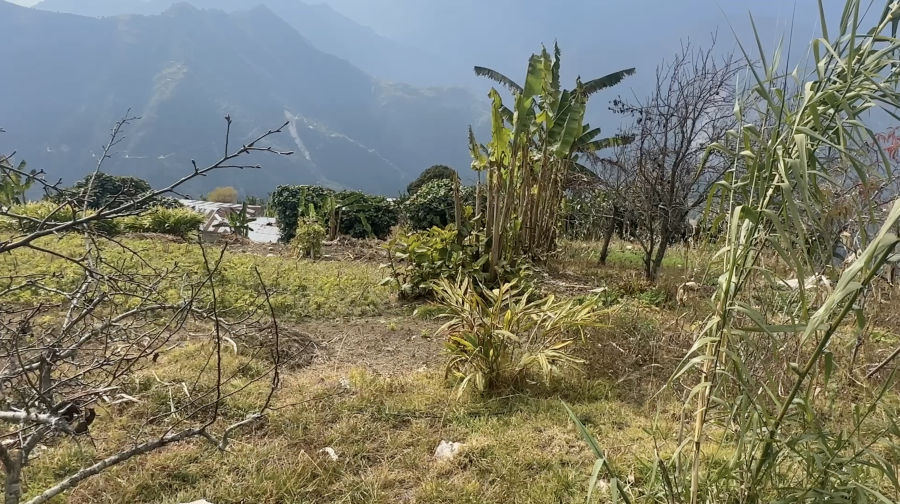
 For years, residents of Yuldari and Shajoogla in Monggar’s Kengkhar Gewog hoped for chain-link fencing, after hearing reports of how it reduced human–wildlife conflict in other remote communities. Now, that long-held wish is becoming a reality. The gewog administration is set to fence farmlands in the two villages, paving the way for commercial farming.
The people of Shajoogla and Yuldari depend on farming for both sustenance and income. They grow a wide variety of vegetables and crops that have a steady market demand.
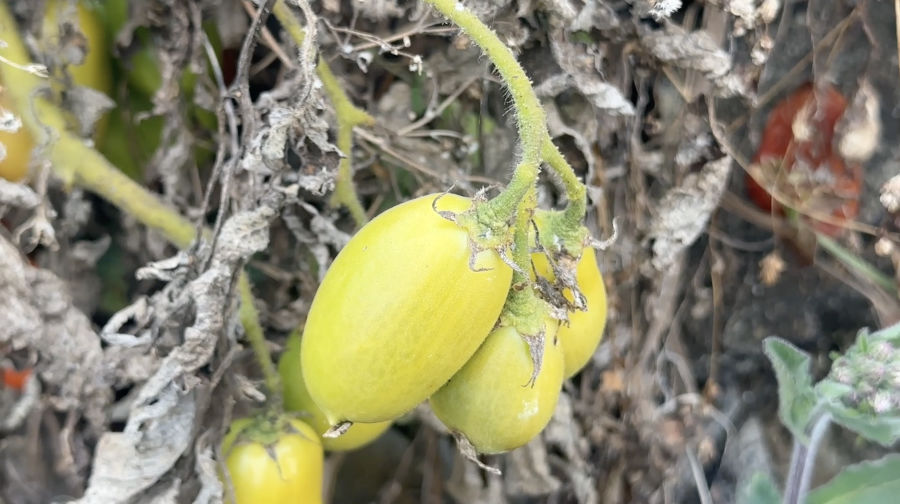 Despite their hard work, production has remained low. Wild animals such as deer, sambar deer, wild boars and porcupines often destroy crops even before harvest.
A few years ago, the villages received electric fencing. While it initially helped keep animals away, the effectiveness declined over time as the animals grew accustomed to the electric current.
That is when farmers began looking towards chain-link fencing as a long-term solution.
“Initially, electric fencing reduced crop damage by wild boars, deer and sambar deer. But slowly, the animals became used to it and started destroying our crops again. We work hard every year, yet we lose up to 50 per cent of our total yield,” said Yoesel Dorji, a resident of Shajoogla.
Another resident of Shajoogla, Jampel Dorji said, “We heard on the radio and saw on television how chain-link fencing is helping farmers elsewhere. We grow many crops and vegetables, and we have even started planting cash crops like cardamom. But we could not expand because of constant wildlife damage.”
“No matter what we tried, we could not protect our crops from deer and porcupines. Porcupines dig under electric fences and enter our fields,” said Sherab Zangmo, who lost her potatoes to these wild animals last year.
Recognising the villages’ potential to scale up agricultural production, the gewog administration has approved chain-link fencing for the two chiwogs.
The project will cost Nu 7 M and will be funded through the Small Development Project grant.
Kengkhar Gup Pema Chedup said, “The soil here is fertile, and people grow a wide range of crops and fruits, including apples. We prioritised chain-link fencing in these two chiwogs to help farmers upscale production. We have already placed orders for materials and will begin installation within this month.”
The project is expected to benefit more than 80 households.
After years of guarding fields through the night and watching crops disappear, residents say the fencing brings relief and a reason to continue farming on their land.
Namgay Wangchuk
Edited by Sangay Chezom