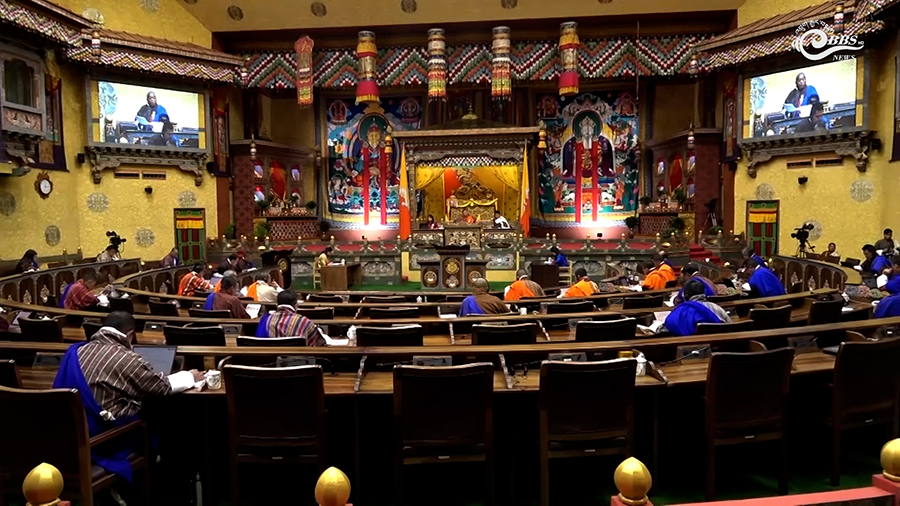
 As proposed by the Health Ministry, the Women, Children and Youth Committee of the National Assembly has recommended lowering the Blood Alcohol Content, or BAC, for drivers. BAC refers to the amount of alcohol present in a person’s body. The committee says the change will reduce accidents and improve road safety.
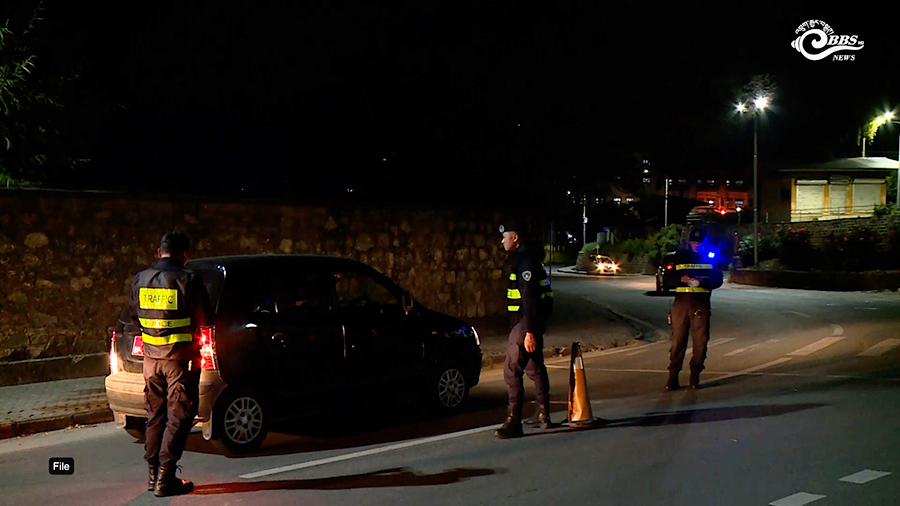 The Blood Alcohol Content limit in Bhutan is 0.08 per cent for drivers, which is higher than international standards. The Women, Children and Youth Committee now recommends reducing it to 0.05 per cent.
Between 2020 and 2024, the country recorded nearly 5,000 traffic accidents, with close to 800 linked to alcohol. The country is estimated to spend about 6.5 billion ngultrum every year on alcohol-related issues.
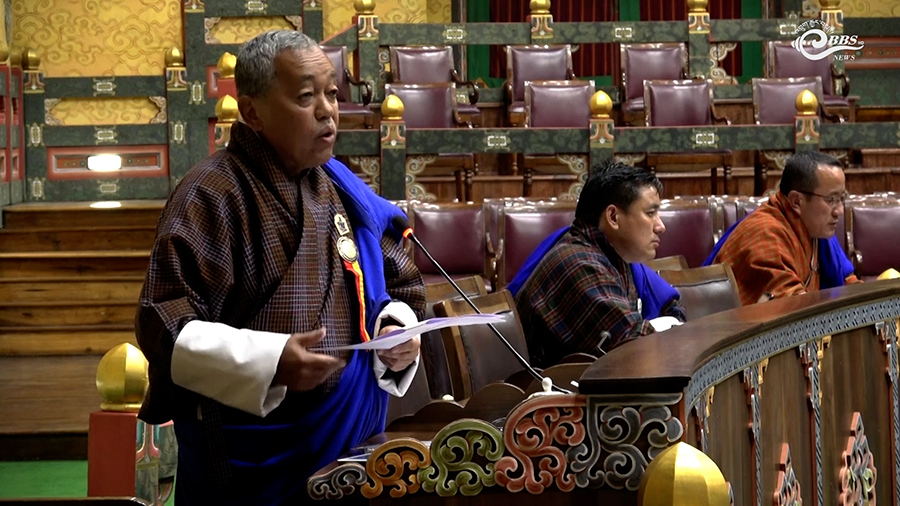
Dr Tek Bdr Rai, the Chairperson of the Women, Children and Youth Committee said, “The Blood Alcohol Content in some of the developed countries like Norway, Sweden, and Poland are just 0.02 per cent. Whereas, in countries like Czechoslovakia, Hungary and Romania the Blood Alcohol Content is zero. There is zero tolerance.”
He added that zero tolerance should apply to professional drivers.
As alcohol remains one of the serious public health and social challenges, the committee has called for stronger laws and consistent enforcement.
The committee highlighted that alcohol levels in some local brews, such as ara, exceed permissible limits. It has recommended developing guidelines for the production and sale of locally brewed alcohol, led by the Health Ministry.
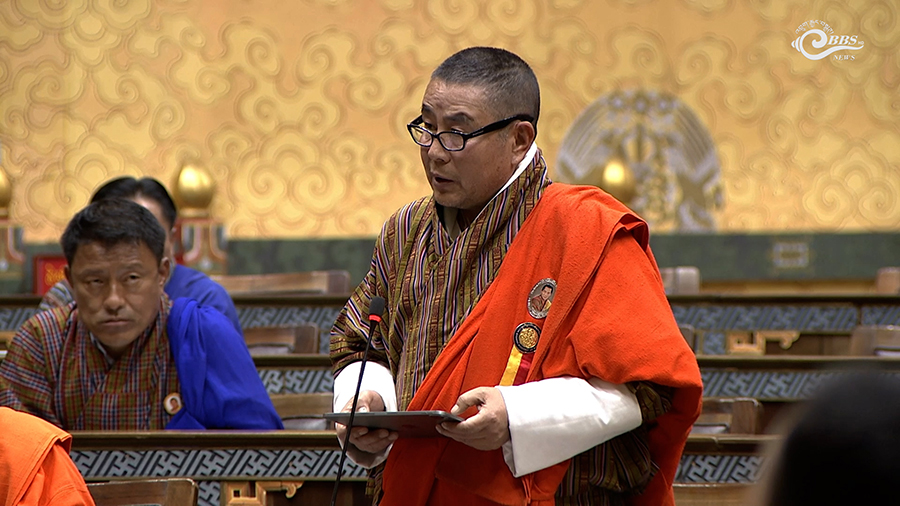
Health Minister Tandin Wangchuk said, “My concern is about ara production and sale. It varies from household to household in rural areas. The recommendation says the alcohol content in ara should not exceed 40 per cent, but I am sceptical about how far we can regulate and maintain that.”
The committee also recommended prohibiting the subleasing of bar licences and called for inspections before licence renewal. Currently, over 10,000 individuals have bar licences.
Dr Tek Bdr Rai added that “Currently, we also issue bar licences online, and anyone above 18 can obtain one. We need to review the requirements and make them more stringent.”
The Health Ministry will lead the implementation of the recommendation and has been instructed to report the actions taken in the next session.
Devika Pradhan
Edited by Sangay Chezom